
What Are the Top Sports Coverage Resources Nearby
Sports fans have never had more options for following their teams. You can watch games live, check scores on your phone, or read match reports later. The question isn’t where to find coverage anymore. It’s about picking what actually works for you.
Most people mix several sources throughout the week. Maybe you watch big matches live on TV. You check scores during work breaks. Then you catch up on highlights before bed. Everyone builds their own routine based on schedule and budget.

Traditional Broadcasting Still Works for Most Fans
TV remains the go-to option for live sports. Sky Sports and TNT Sports own most football rights in the UK. They charge a lot but deliver solid coverage. The picture quality keeps improving too.
Premium Channels Cost Real Money
Sky and TNT split Premier League matches between them. You’ll pay over £50 monthly for both services. That adds up fast across a year. Some people share accounts with family to split costs. Others pick one service and accept missing certain matches.
BBC Sport still shows major events for free. Wimbledon, FA Cup finals, and Match of the Day don’t cost anything. ITV covers Champions League nights and England games. These free options matter when you’re watching your budget.
Radio works great for following matches too. BBC Radio 5 Live runs live commentary all weekend. You can listen while driving or doing chores. Local stations like BBC Surrey cover community teams that bigger networks ignore.
Streaming Changed How We Watch Sports
Online platforms shook up the whole industry. Amazon Prime Video now streams Premier League matches. DAZN offers boxing and other combat sports. These services usually cost less than traditional TV packages.
International Sites Expand Your Options
Digital platforms let you follow sports from anywhere. Sites like thsport cover football, basketball, and boxing for global audiences. They fill gaps left by UK broadcasters who stick to local sports. You can follow Thai league football or NBA games that don’t air here. International boxing cards often stream on these platforms first.
Mobile apps changed everything about following scores. The BBC Sport app buzzes when your team scores. Club apps share training videos and player interviews. You get content traditional TV never bothered creating. Some apps even stream audio commentary for matches you can’t watch.
Flexibility Beats Traditional Schedules
Streaming lets you watch on any device. Start a match on your TV at home. Finish it on your phone during your commute. Research from Pew Research Center shows 97% of Americans own mobile phones. Sports apps took full advantage of that universal access.
You control when and how you watch now. Miss a live match? Catch the replay later. Want just the goals? Watch a five-minute highlight package. This flexibility fits busy schedules better than fixed TV times.
Social Media Creates Different Experiences
Twitter became essential for sports news. Journalists break transfer stories minutes before official announcements. Fans share clips as matches happen. You get instant reactions from thousands of other supporters.
Football clubs treat social media like a full-time job now. Manchester United, Arsenal, and Liverpool post constantly. They share behind-the-scenes footage that TV networks can’t access. Younger fans check Instagram and TikTok before even opening news apps.
Reddit offers something different from other platforms. Sports subreddits let you discuss tactics and analyze performances. The voting system pushes good content up and buries nonsense. You’ll find statistical breakdowns missing from mainstream coverage. Community members contribute original research regularly.
Niche Sports Need Different Approaches
Finding coverage for less popular sports takes more work. Mainstream broadcasters focus heavily on football and cricket. Everything else gets limited attention outside major tournaments.
Specialist Communities Fill the Gaps
Cycling fans follow GCN and Eurosport for race coverage. Rugby league supporters rely on Sky Sports and BBC. Athletics gets covered during Olympics then disappears until the next Games. You need to hunt for specialist sources.
Women’s sports improved massively in recent years. The BBC expanded women’s football coverage significantly. The 2022 Women’s Euros final drew record audiences. That proved people will watch when given the chance.
Combat sports fans built strong online communities. Boxing and MMA get limited mainstream coverage despite passionate followings. YouTube channels and Twitch streams filled that gap. Former fighters provide expert analysis you won’t find on TV. Fans interact directly with athletes between fights too.
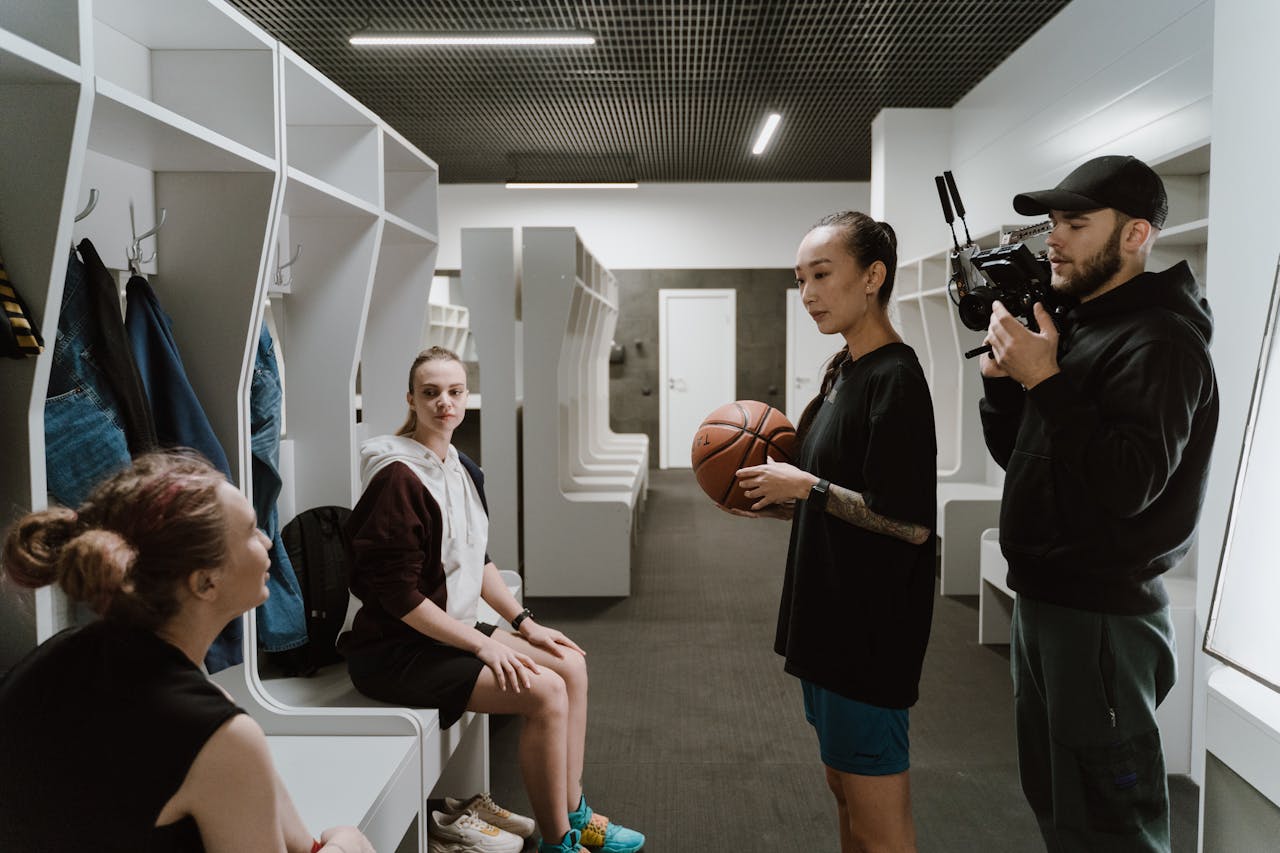
Photo by cottonbro studio
Finding What Actually Works for You
Your ideal setup depends on which sports you follow. Casual fans can stick with free options. Die-hard supporters might justify paying for premium services.
Try mixing different formats throughout your week. Watch live when you can. Read tactical pieces during lunch breaks. Listen to podcasts on your commute. Each format offers something unique. Live viewing gives you the excitement and atmosphere. Written analysis provides deeper tactical understanding. Podcasts let you multitask while staying informed.
Pay attention to which sources you actually trust. Some journalists consistently break accurate news. Others throw out wild speculation for clicks. Quality coverage admits when teams play poorly. It doesn’t make excuses or spin everything positively.
Don’t overwhelm yourself with too many sources. Pick a few reliable ones and stick with them. Sports should be fun, not another chore on your to-do list. The right mix keeps you informed without burning you out.