
When the Pavement Ends: What Riders Should Consider Before Taking an Electric Scooter Onto Rougher Terrain
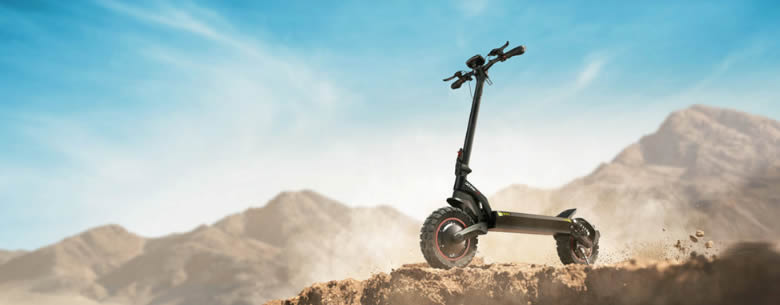
Most electric scooter riders begin on smooth pavements and dedicated cycle paths. The moment the surface changes to gravel, packed earth, wet leaves or a lightly rutted trail, the limitations of a city-focused machine become clear. Traction drops, the ride grows harsh, and power that felt adequate on tarmac can suddenly feel insufficient. Understanding what separates a standard scooter from one genuinely prepared for mixed surfaces is essential before leaving the pavement behind.
Demand for more capable machines has grown steadily across Britain. Riders who once stayed on paved routes are now exploring rail trails, forest tracks and coastal paths. That shift has highlighted the gap between scooters optimised for efficiency on flat surfaces and those engineered for unpredictability. A clear off-road electric scooter guide helps riders identify the features that actually matter once the ground becomes uneven.
Frame Strength Versus Everyday Portability
Commuter scooters prioritise low weight and easy folding so they can be carried onto trains or stored under a desk. Models intended for rougher terrain accept extra mass in exchange for rigidity. A sturdier frame reduces flex when the rider encounters successive bumps or leans through loose corners. The practical consequence is reduced portability; many riders who regularly leave paved surfaces simply keep the scooter in a vehicle or garage rather than treating it as a daily carry item.
Tyres That Maintain Grip and Absorb Impact
Tyre specification is the most critical single factor. Narrow, solid or low-profile city tyres concentrate weight onto a small contact patch. On gravel or wet grass they dig in or lose sideways grip. Wider pneumatic (air-filled) tyres with a knobbly tread pattern spread the load, absorb smaller impacts and maintain traction on loose material. Air pressure becomes a regular check: under-inflation increases rolling resistance and the risk of pinch flats, while over-inflation transmits every sharp edge directly to the rider.
Suspension and Adequate Ground Clearance
Many lightweight urban scooters have minimal or no suspension. Dual front-and-rear suspension keeps both wheels in better contact with uneven ground and reduces the repeated shock that reaches the rider’s hands, knees and lower back. Ground clearance is equally important. A few extra centimetres between the deck and the surface can mean the difference between clearing a tree root or catching the undercarriage and coming to an abrupt stop.
Motor Torque and Realistic Battery Expectations
On flat tarmac a modest motor is often sufficient. Soft ground, gentle climbs and the higher rolling resistance of knobbly tyres demand greater torque. Capable machines typically fall in the 800 W to 1 000 W range, with dual-motor options preferred for steeper or more demanding sections. Battery claims based on smooth-road testing rarely translate directly to mixed terrain. Expect a noticeable reduction in range once mud, gradients and colder weather are factored in; building in a 30–40 % buffer is a practical approach.
Braking Confidence and Weather Protection
Stopping distances lengthen on loose or wet surfaces. Combined disc and electronic braking systems deliver shorter, more controlled stops than single-system arrangements. An IP54 rating or higher provides useful resistance against dust and water splash—British trails rarely remain dry for long. After muddy rides a quick clean of the frame, brakes and suspension components prevents grit from accelerating wear.
Legal Boundaries in the UK
Privately owned electric scooters remain restricted to private land with the landowner’s explicit permission. Public roads, pavements, cycle lanes and most public parkland are off-limits. Riders intending to explore trails therefore need to confirm access rights in advance. Converted railway paths, private estates and certain countryside networks that welcome scooters are the realistic options available under current rules.
Matching the Machine to the Route
Before committing to regular off-pavement use, evaluate the intended routes: surface type, typical gradients, weather exposure and total distance. Align those conditions with the scooter’s tyres, suspension, motor output, ground clearance and real-world range. A machine that merely looks rugged may still lack the engineering needed for repeated exposure to British trail conditions. Consulting a thorough off-road electric scooter guide makes the comparison process clearer and reduces the likelihood of purchasing a scooter that is only superficially suitable.
Riders who prepare carefully gain access to a much wider network of paths and scenery. Those who assume any electric scooter can handle rough terrain often discover the limits through loss of traction, higher maintenance demands or an uncomfortable ride that quickly loses its appeal. Thoughtful preparation turns the end of the pavement from a barrier into the beginning of more interesting routes.
FAQ
Are private electric scooters legal on UK woodland trails or public parks?
No. Current regulations allow privately owned e-scooters only on private land with the landowner’s permission. Public woodland, parks and most open-access paths remain prohibited.
What tyre type performs best on mud and gravel?
Pneumatic tyres with deep, knobbly tread offer the best combination of grip and impact absorption. Solid rubber tyres resist punctures but transmit more vibration and lose traction more readily on soft ground.
Do off-road scooters require significantly more maintenance?
They encounter greater exposure to mud, water and debris, so tyre-pressure checks, brake inspection and post-ride cleaning become more frequent. The extra effort is manageable with a short routine after each muddy outing.
How much extra power is needed compared with a city scooter?
Motors under 500 W often struggle on soft surfaces or moderate climbs. Capable off-road models typically start around 800 W, with dual-motor configurations preferred for steeper or more technical terrain.
Will the advertised range match real-world off-road use?
Rarely. Rough surfaces, inclines and lower temperatures reduce range. Plan for 20–40 % less distance than the smooth-road figure and carry a charging strategy for longer outings.