
Practical Leaf and Pathway Care for Weybridge Gardens
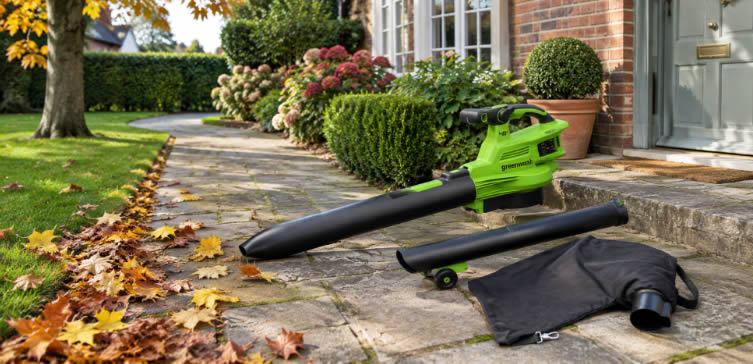
A garden path has a practical job: helping people reach the house safely in all seasons. In Weybridge and the surrounding area, established planting can bring plenty of fallen leaves onto drives, patios and steps during autumn. Keeping these spaces clear need not be complicated, but the method should suit the surface rather than relying on the same tool everywhere.
Put the main routes first
Start at the front entrance, the back door and any frequently used steps. Wet leaves, moss and algae can become slippery, particularly where paving is shaded. Sweep regularly and check drains and channels for blockages. Pay attention to uneven slabs or loose handrails; those are repair issues, not just cleaning jobs.
Be gentle with gravel
Gravel can be awkward because an aggressive rake or powerful air stream may scatter stones. A light rake can lift leaves from the surface without dragging away too much gravel. If using a blower, begin with a suitable low setting where available and keep it directed away from windows, vehicles and people. Check for loose stones before starting and wear eye protection.
Treat paving according to the material
Stone, brick and concrete do not always need the same cleaning method. Sweep off loose leaves before they decay into damp patches, and use products approved for the surface when tackling algae. A high-pressure jet can damage some softer stone or pointing, so consult the paving supplier or a suitable specialist before using one. Keep runoff away from thresholds and planted beds.
When a blower may be useful
For a short path, a broom is often the quickest option. Across a larger garden or driveway, battery leaf blowers may help gather dry leaves into piles ready for collection without a mains cable trailing through the space. Before buying, check the equipment’s weight, battery compatibility, runtime guidance and the surface you intend to clear. A blower should never be used to push debris onto a public path or into a drain.
Check steps and decking
Timber decking and shaded steps may remain damp for long periods, allowing slippery growth to develop. Brush away debris, inspect boards and fix anything loose or projecting. Suitable non-slip treatments can help in some situations, but they do not replace regular checks. Make sure outdoor lighting illuminates changes in level during darker evenings.
Think about neighbours and waste
In closely spaced gardens, choose considerate hours for powered equipment and take care not to send leaves across boundaries. Garden waste can be collected through local arrangements or composted where conditions permit. A little leaf litter may be left in planted areas for wildlife, provided it stays away from drainage and walking routes.
A routine that works
The best approach is a combination of quick checks and tools suited to the material underfoot. Clear access first, deal with slippery growth and collect leaves before they block drains. That keeps Weybridge outdoor spaces more usable throughout the wetter months.