
Misty Highlands and Emerald Coasts: Celtic Britain and Ireland
Few corners of Europe combine wild scenery and ancient culture quite like Scotland and Ireland. Rugged mountains rise above mist-filled valleys, windswept cliffs overlook the Atlantic, and stone ruins stand among landscapes shaped by centuries of Celtic history. Yet these destinations offer far more than dramatic scenery. Traditional music, distinctive cuisine, historic towns, and welcoming communities create journeys filled with character. Exploring both sides of the Irish Sea reveals a fascinating collection of landscapes and traditions that remain deeply connected to the past.
Scotland’s Highlands in Their Natural Element
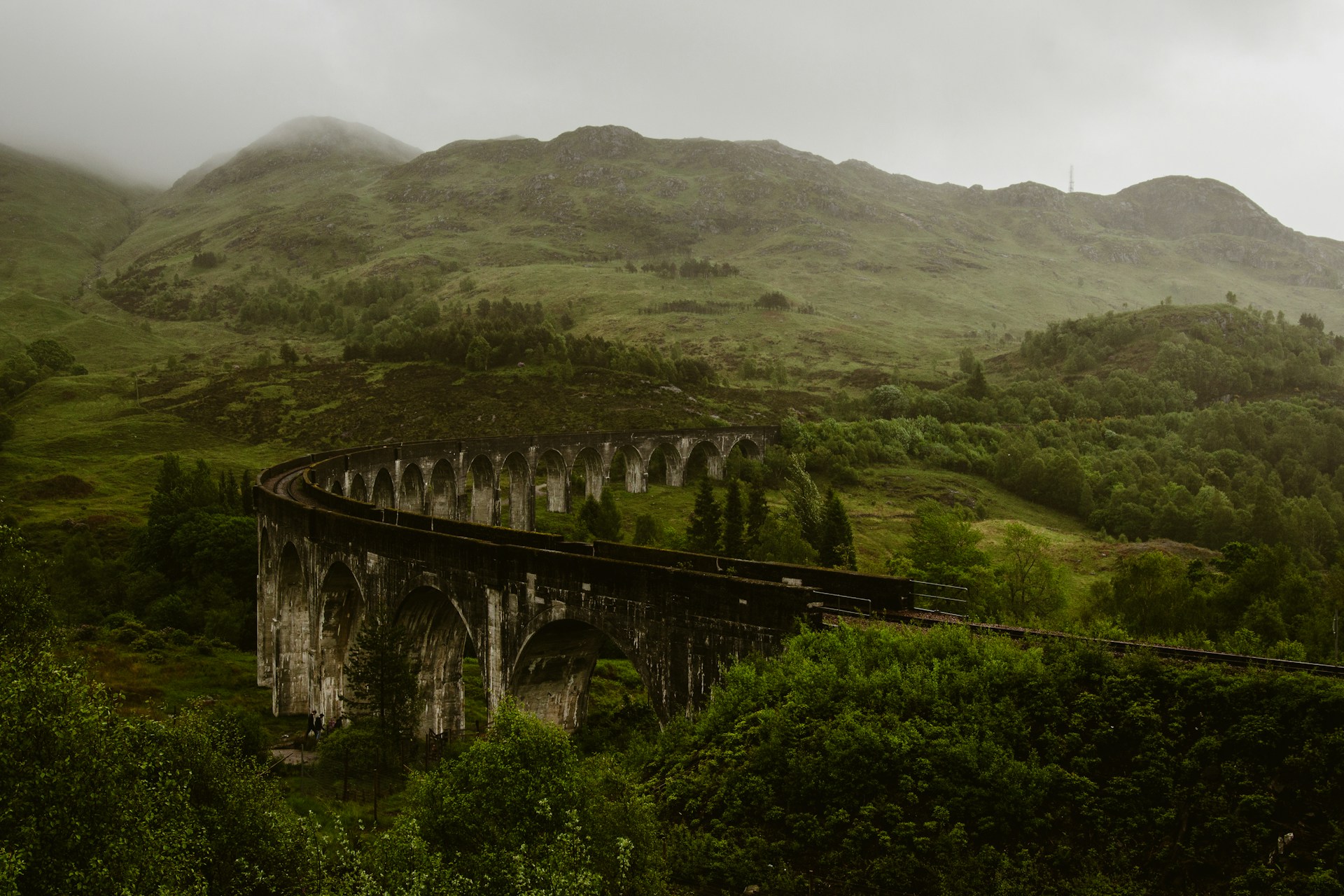
Travellers seeking an introduction to Scotland’s dramatic landscapes often discover that tours to Scotland provide an excellent way to experience the country’s varied scenery. The Highlands stretch across an enormous area, with rugged peaks, deep lochs, lonely glens, and expansive moorlands creating an atmosphere that feels wonderfully remote.
Routes through the region reveal changing landscapes at every turn. One moment the road may wind beside a tranquil loch, while the next it climbs towards a mountain pass surrounded by heather-covered hills. The scenery becomes particularly atmospheric when low cloud settles across the peaks, creating the misty character associated with the Highlands.
Ireland’s Green Atlantic Landscapes
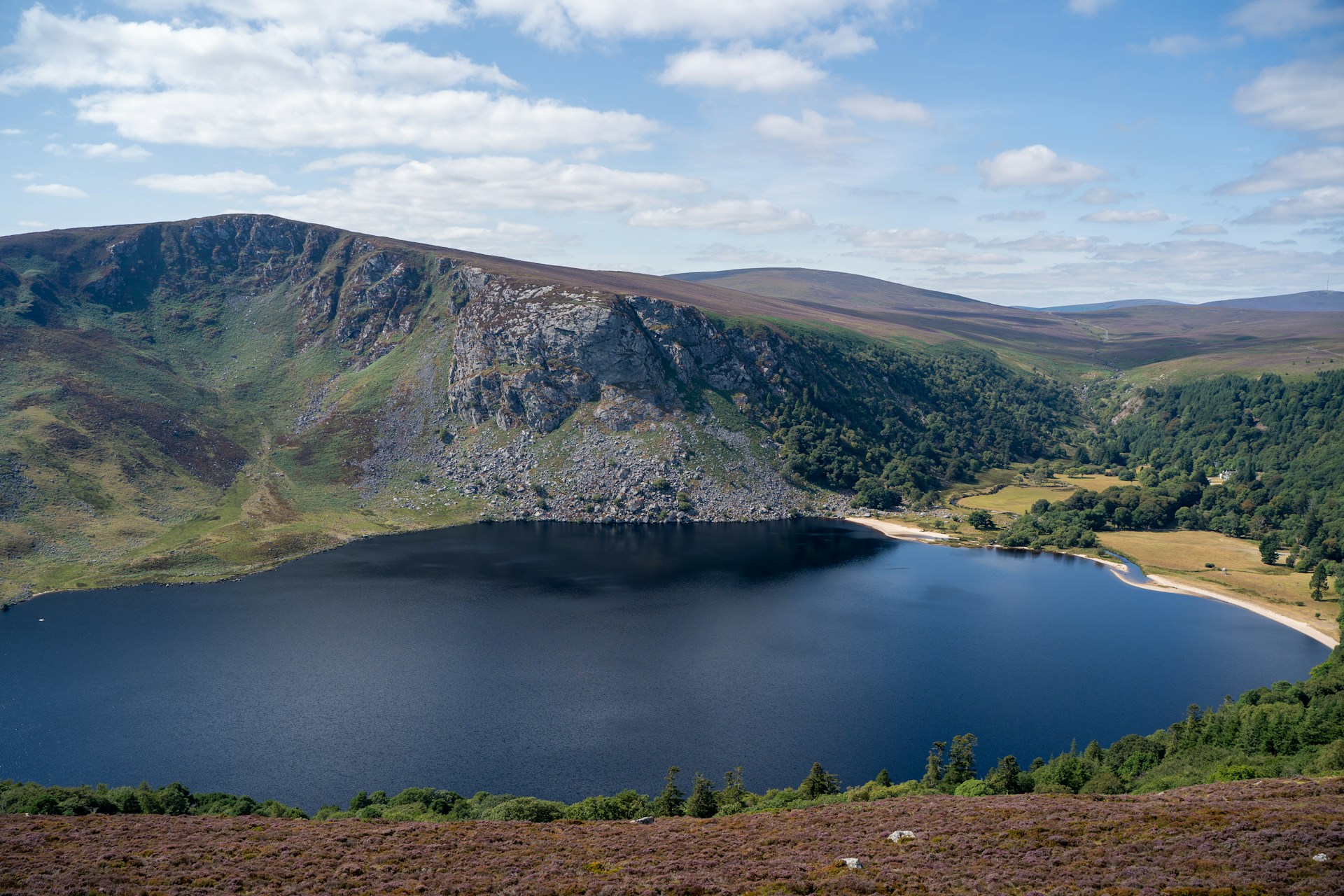
Across the Irish Sea, Ireland tours introduce travellers to another landscape where nature and heritage are closely intertwined. Ireland’s countryside is famous for emerald-green fields, stone walls, winding country lanes, and dramatic coastal cliffs.
The western coastline is especially impressive, with waves from the Atlantic crashing against rugged headlands while small villages provide glimpses into traditional Irish life. Travelling through the countryside at a relaxed pace allows visitors to appreciate the changing shades of green, the quietness of rural communities, and the powerful presence of the ocean.
Ireland’s scenery has inspired poets, musicians, painters, and storytellers for generations.
Edinburgh’s Layers of History
Scotland’s capital provides a fascinating starting point for discovering the country’s cultural heritage. Edinburgh combines medieval streets, elegant Georgian architecture, imposing monuments, and a lively contemporary arts scene.
The Old Town climbs towards the castle, with narrow lanes and historic buildings revealing centuries of urban development. Across the city centre, broad avenues and grand terraces demonstrate a very different architectural style.
Museums, galleries, independent bookshops, and traditional pubs add to Edinburgh’s appeal. During festival season, the city becomes particularly energetic as performers and visitors arrive from around the world.
Dublin’s Literary Spirit
Ireland’s capital offers an equally compelling urban introduction to Celtic culture. Dublin’s historic streets are closely connected with some of the country’s most celebrated writers, while Georgian squares and riverside neighbourhoods provide an attractive setting for exploration.
Visitors can browse independent bookshops, explore museums, or simply wander through streets where old brick buildings sit alongside contemporary cafés and restaurants. The River Liffey divides the city while also connecting its historic districts.
Dublin’s famous literary heritage remains visible throughout the city, but its modern creative scene demonstrates that Irish culture continues to evolve.
Castles, Fortresses, and Ancient Stones
The landscapes of Scotland and Ireland are filled with structures that tell stories of different eras. Scottish castles appear dramatically on rocky hillsides and beside lochs, while Ireland’s ruined abbeys, medieval towers, and fortified estates are scattered throughout the countryside.
Some sites are remarkably well preserved, while others have been reclaimed by nature. Moss-covered walls and weathered stonework can make ancient ruins feel inseparable from the surrounding landscape.
Visiting these places offers more than an opportunity to admire architecture. They provide a tangible connection to the political struggles, religious traditions, and communities that shaped Celtic history.
Coastal Walks Above the Atlantic
Few experiences capture the character of these islands better than walking along their Atlantic coastlines. Scotland’s northern and western shores offer secluded beaches, sea cliffs, rocky islands, and sweeping views across open water.
Ireland provides similarly spectacular routes, particularly along its western and southwestern shores. Coastal paths pass dramatic headlands, green pastures, and small fishing communities where the rhythm of life remains closely connected to the sea.
Weather can change quickly in both countries, adding to the drama of the landscape. A clear morning can give way to sea mist or passing rain before the skies brighten again.
Celtic Traditions in Everyday Life
Celtic heritage remains visible in music, storytelling, crafts, festivals, and local customs. Traditional instruments and folk songs continue to feature prominently in Scottish and Irish communities, particularly in smaller towns and villages.
Visitors may encounter live music in intimate pubs, local celebrations featuring traditional dancing, or craft workshops preserving techniques passed down through generations. Gaelic languages also remain an important part of Scotland’s cultural identity, particularly in the Highlands and islands.
These living traditions make cultural exploration feel personal rather than confined to museums and historic sites.
Flavours of the Northern Isles
Food provides another way to appreciate the differences and similarities between Scotland and Ireland. Both countries have strong connections with locally sourced ingredients, including seafood, dairy products, potatoes, grains, and high-quality meat.
Scottish cuisine includes hearty dishes suited to its cool climate, while Ireland’s culinary traditions combine rustic recipes with fresh produce from land and sea. Coastal towns are ideal places to sample freshly caught seafood, while rural communities often showcase regional specialities in welcoming pubs and restaurants.
Local drinks, artisan cheeses, freshly baked goods, and traditional recipes add variety to every journey.
Villages Beneath the Mountains
Some of the most memorable stops are small communities surrounded by spectacular scenery. Scottish villages often feature stone cottages, traditional inns, and colourful gardens set against dramatic mountain backdrops.
Irish villages have their own distinctive charm, with brightly painted façades, local shops, cosy pubs, and winding roads leading towards the coast or countryside. Spending time in these communities allows travellers to slow down and observe everyday life beyond the major attractions.
A short conversation with a local resident or an unplanned stop at a village café can become one of the most memorable moments of the trip.
Finding the Right Rhythm for a Celtic Journey
Scotland and Ireland can be visited throughout the year, with every season offering a different perspective. Spring brings fresh greenery and blooming landscapes, while summer provides long daylight hours for outdoor adventures.
Autumn introduces rich colours and quieter roads, while winter creates atmospheric conditions for exploring historic towns, cosy pubs, and dramatic coastal scenery. Travelling at a comfortable pace allows visitors to combine famous landmarks with spontaneous discoveries.
Rather than trying to see everything, focusing on a handful of regions creates a more rewarding experience and leaves time to appreciate the landscapes properly.
Conclusion
Scotland and Ireland offer an extraordinary combination of dramatic wilderness, ancient heritage, and enduring Celtic traditions. From mist-covered Highland peaks and historic Edinburgh to Ireland’s emerald countryside and Atlantic cliffs, each destination reveals a distinctive sense of place. Exploring both allows travellers to experience castles, coastal paths, lively cities, traditional music, and welcoming communities while discovering the remarkable landscapes that have shaped the cultural identity of these islands.