
How Wet Weather Changes Premier League and Lower League Match Expectations
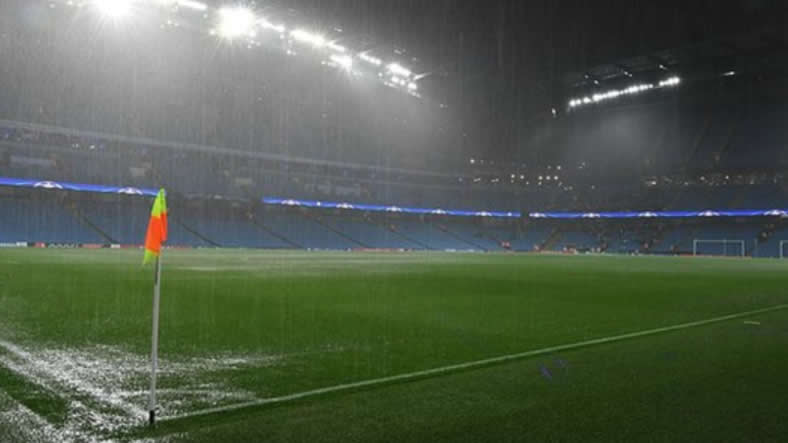
Rain soaked football matches are an iconic part of English sporting lore. Despite Premier League clubs investing heavily in modern stadiums and drainage systems to lessen the effects of inclement weather, conditions definitely still influence the game. With modern digital tracking techniques, from teams’ own data to those used by bettors and analysts, it is increasingly clear what goes on. This is how bad weather changes Premier League matches.
The Premier League is Becoming More Direct, Rainy Weather Enhances That
The Premier League is becoming more direct. Teams are hitting more long balls in 2025/26, and the average number of passes per game has gone down. Fewer teams are now committing 100% to playing prime tiki-taka pass from the back football. Which is not to say everyone is lumping it long all day – but the average is trending that way.
Wetter conditions, of which there were a lot in the mid season, encourage this even more. Rain and wind make players less sure footed on the ball, while increasing player velocity and pressing intensity. This means managers are incentivised to avoid risky build up play and resort to playing longer and more direct football.
These two factors have bounced off each other all season, although tactical considerations are still probably the bigger influence on the change. Partly because Premier League stadiums are now much less impacted by rain than they used to be.
Modern Stadiums Can Mitigate This – Lower Leagues Not So Much
While a cold rainy night game is a football staple for many across the pyramid, modern Premier League stadiums are increasingly water resistant. Elite stadium designs will have involved millions spent on drainage, undersoil heating and even covered arenas.
Lower league teams like Surrey’s Woking or Sutton United are much more used to the classic, waterlogged mud baths that are well known in English football.
Premier League teams might lose some ball speed, and have the odd slip, but, unless the weather is intense, you’re unlikely to see performances affected to the same level as in lower leagues.
Betting Markets Shift With Weather Forecasts
Bookmakers factor in a massive amount of data, as well as who the betting money goes on, to calculate and update odds for the highest edge. Today, this absolutely includes weather forecasts.
Technical quality is less of a decisive factor in windy conditions. This is the boring, technical reasoning behind the meme – “can he do it on a cold, rainy night in Stoke?”
Because wet weather can equalise teams, results in the rain often become more variable. Sharp bettors often see volatile events as a good use of a free bet. And there are a lot of those available on the market today.
Punters often compare free bets through resources like this list of betting offers from Oddspedia, which shows just how many football related promotions there are at any given time. As well as all the other features bettors like to compare from bookmakers.
Because of this competitive market, with bettors trying to beat the bookies and vice versa, they absolutely account for the weather when defining markets. If bad weather is forecast expect odds to narrow between favourite and underdog, and first goal from set piece odds to shorten dramatically.
Set Pieces Become More Important
Wet weather increases defensive mistakes. More momentum on slippery grass means more accidental fouls. It also makes skilful players who take lots of light touches more likely to lose control.
Therefore, in wet weather, and this is statistically proven, there are more free kicks, corners and throw ins.
Set pieces now account for more goals in the PL than ever. 28% so far in 2025/26. That, all put together, means wet games tend to have more goals in recent seasons. So although the fans might be getting rained on, at least the football is more exciting – and rainy games do often go down in club lore.
Bettors predicting outcomes might be expecting more goals, more cards and more goals from set pieces.
Lower League Teams in Surrey Often Play Through Wet Conditions
Premier League clubs will often spend as much on pitch drainage and heating as lower league club’s entire budgets.
AFC Wimbledon’s Plough Lane had an FA Cup tie against Newcastle postponed in 2024 after heavy rain caused a sinkhole on the pitch.
Nevertheless, the stylistic and tactical considerations remain similar. Just amplified for lower league teams. Games in the rain tend to more direct play, aerial duels, fouls and stoppages – with fewer intricate passing sequences.
Having said all that, the cultural angle of bad-weather football in England cannot be underestimated. You see it on adverts for cleaning products, and you see it in videos of miraculous goals scored on muddy pitches celebrated by passionate locals. As the elite game becomes increasingly controlled and data-driven, lower leagues retains the classic English charm of a rainy, muddy night of football.