
How to Start with Forex Trading – Top 5 Things You Must Know
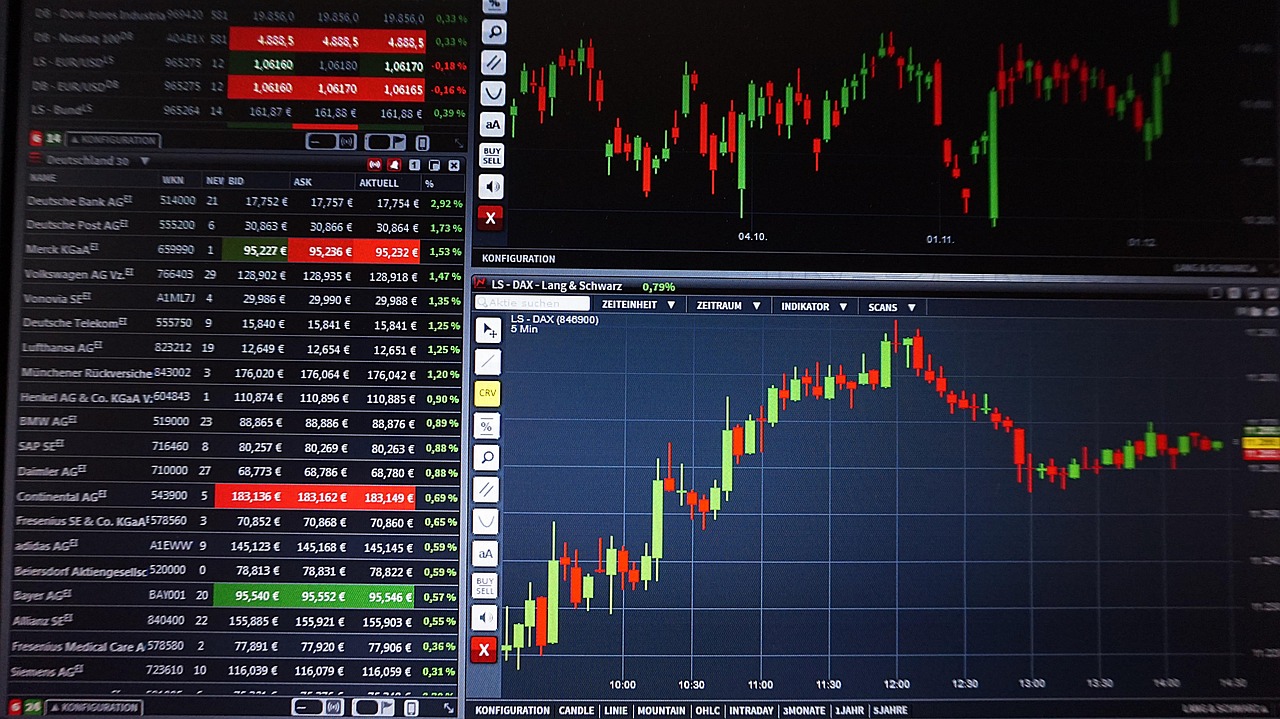
Forex trading has become widely accessible in recent years, allowing individuals in the UK to access global currency markets from their computers or mobile devices. While opening an account is relatively straightforward, trading responsibly requires preparation, knowledge and discipline.
If you are considering entering the forex market, there are five essential things you must understand before placing your first trade.
1. Understand How the Forex Market Works
Before you risk any capital, it is crucial to understand the structure of the forex market.
Currencies Are Traded in Pairs
In forex, you are always trading one currency against another. For example:
- GBP/USD (Pound vs US Dollar)
- EUR/GBP (Euro vs Pound)
- USD/JPY (US Dollar vs Japanese Yen)
If you buy GBP/USD, you are buying pounds and selling US dollars simultaneously. If the exchange rate rises, the pound has strengthened relative to the dollar.
The Market Operates Globally
Forex is decentralised and operates 24 hours a day during the working week. Trading sessions follow major financial centres such as:
- London
- New York
- Tokyo
- Sydney
Understanding when markets are most active can help you anticipate volatility.
2. Learn What Moves Currency Prices
Currency prices are influenced by economic and political factors.
Interest Rates and Central Banks
One of the most important drivers of currency value is interest rate policy. For example, if the Bank of England raises interest rates, the pound may strengthen because higher rates can attract foreign investment.
Economic Data Releases
Reports such as inflation figures, employment data and GDP growth can cause rapid market movements. Traders often use the forex economic calendar to track scheduled announcements and prepare for potential volatility.
For instance, UK inflation data released at 7:00am can lead to immediate price swings in GBP pairs.
Geopolitical Events
Elections, trade negotiations and international tensions can all influence currency markets. Staying informed is part of responsible trading.
3. Choose a Regulated Broker
In the UK, trading with an FCA-regulated broker is essential.
Regulatory Protection
The Financial Conduct Authority (FCA) ensures that brokers:
- Segregate client funds
- Provide clear risk warnings
- Follow strict operational standards
This reduces the risk of fraud and improves overall transparency.
Platform and Tools
A reputable broker such as FxPro provides access to widely used trading platforms with analytical tools, stop-loss features and demo accounts. Choosing a stable and reliable platform is just as important as your trading strategy.
Before you begin trading, you should also check the market holidays here. Currency markets may close or operate with reduced liquidity during certain public holidays, which can affect spreads and volatility.
4. Manage Risk From the Start
Risk management is arguably the most important aspect of forex trading.
Use Position Sizing
Never risk a large portion of your account on a single trade. Many disciplined traders risk no more than 1–2% of their account per position.
For example, if you have £3,000 in your account and risk 1%, your maximum potential loss per trade would be £30.
Always Set Stop-Loss Orders
A stop-loss automatically closes your trade if the market moves against you beyond a set level.
Suppose you buy EUR/GBP at 0.8600 and place a stop-loss at 0.8550. This limits your downside exposure to 50 pips.
Without risk controls, losses can escalate quickly, especially when markets move unexpectedly.
Understand Leverage
Leverage allows traders to control larger positions with smaller deposits. While this increases potential gains, it also magnifies losses. FCA regulations limit leverage for retail clients to help manage excessive risk.
5. Develop a Clear Trading Plan
Entering the forex market without a plan often leads to emotional decisions.
Define Entry and Exit Rules
Your plan should specify:
- What signals trigger a trade
- Where you place your stop-loss
- Where you take profit
- Maximum daily loss limits
For example, you might decide only to trade during the London session and only when price breaks above a key resistance level.
Keep a Trading Journal
Recording your trades helps you identify patterns in your decision-making. Note:
- Why you entered
- Market conditions
- Outcome
- Lessons learned
Over time, this improves discipline and consistency.
Practical Example for Beginners
Imagine you analyse the economic calendar and see that US employment data is due later in the day. You decide to wait for the release before trading GBP/USD. Once the data is published, the market reacts strongly. Rather than entering impulsively, you wait for confirmation of direction and place a trade with a defined stop-loss and realistic target.
This structured approach reduces emotional decision-making.
To Sum Up
Starting with forex trading requires more than simply opening an account. You must understand how currency pairs work, what drives price movements, how to manage risk and how to follow a structured trading plan.
By focusing on regulation, preparation and discipline, beginners can approach the forex market more responsibly. Forex trading carries genuine financial risk, and taking the time to learn the fundamentals is essential before committing real capital.