
How to Choose a Pushchair That Fits Your Life, Not Just Your Baby
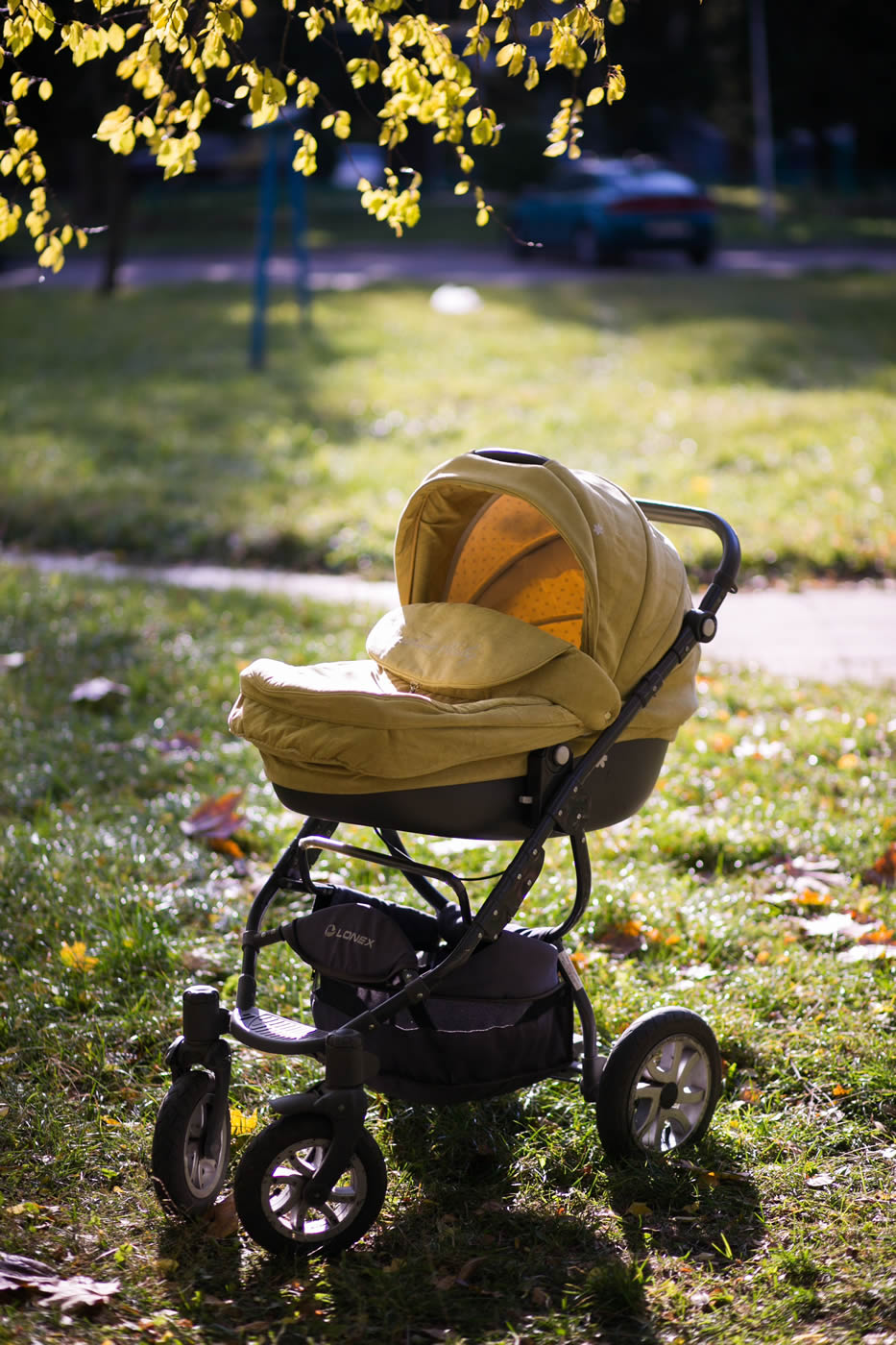
The right pushchair is the one that matches your daily routine, not the one with the longest feature list. Before you compare models, look at how you actually get around: on foot through town, or mostly by car. That picture tells you which type of pushchair will earn its place in your hallway.
Start with your daily routine
Many parents use their pushchair far more often than they expect. The nursery run and a short walk to the shops soon add up to hours every week. A pushchair that steers poorly or folds awkwardly becomes a daily frustration, so it pays to be honest about your routine first.
Live in a city flat with stairs? Then weight and fold size matter more than a big shopping basket. Drive everywhere? Then check whether the folded pushchair fits in your boot with room to spare. The best choice follows from these practical questions, not from what looks good in a showroom.
Travelling with a baby changes the equation
Holidays and weekends away put different demands on a pushchair. Airports mean long walks and tight security lanes. Once you land, you may be dealing with cobbled streets or crowded pavements. A full-size pushchair can feel bulky in those situations, which is why many parents add a compact model to their setup. A lightweight travel stroller that folds down small is easier to lift into an overhead locker or a hire car, and simpler to manage with one hand while you hold your child with the other.
One note on flying: a compact fold may meet the cabin baggage requirements of many airlines, but policies vary between carriers. Check with your airline before you travel, so you know at the gate whether the pushchair comes on board or goes in the hold.
When your family grows
A second child changes your pushchair needs more than almost anything else. If the age gap is small, a toddler and a newborn both need a seat on every outing. Carrying one while pushing the other works for a week, not for a year. In that situation a double pram is the practical answer: both children ride comfortably, and you are no longer carrying one of them on your hip.
Think about the configuration that suits your children. Side-by-side models let siblings sit next to each other, while tandem designs keep the pushchair narrower for doorways and shop aisles. Measure your front door and the doorways you use most before you decide, because a double that does not fit through your own hallway will stay parked outside.
What to check
A few practical checks prevent most buying regrets:
- Fold and weight. Fold the pushchair yourself in the shop, ideally with one hand. If it takes effort there, it will take more effort on a rainy pavement with a baby on your arm.
- Boot and storage space. Measure your car boot and your storage spot at home, then compare with the folded dimensions.
- Push the pushchair around corners and over a threshold. It should turn easily without forcing the front wheels.
- Age and weight limits. Follow the manufacturer’s instructions on the age and weight your child needs to be for each seat or carrycot option.
Buying once instead of twice
Parents who choose based on their real routine rarely need to replace their pushchair early. Decide first how you travel and whether more children are likely in the coming years. If travel plays a big role, a compact second pushchair can be a sensible addition rather than a luxury. If a sibling is on the way, looking at double options early gives you time to measure and compare calmly, instead of rushing a decision in the final weeks before the birth.