
Discover Your Perfect Lodge for Sale in Scotland
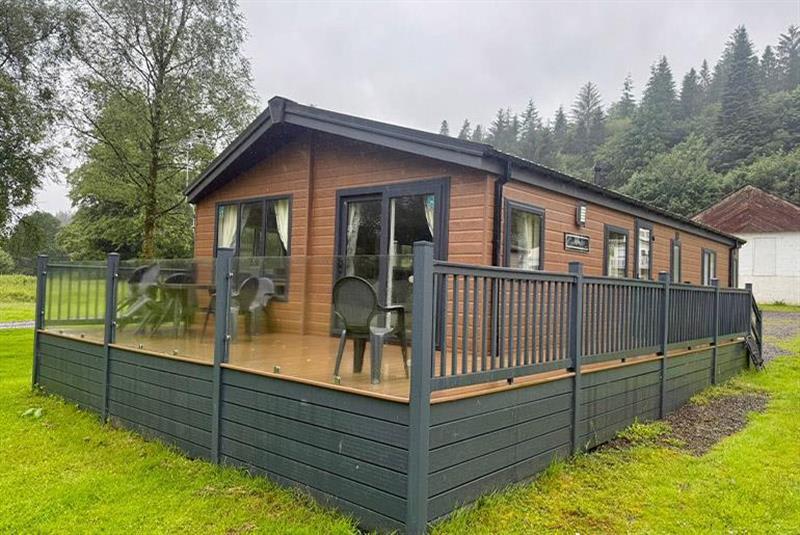
When you are considering different locations, property types, and budgets, finding the right holiday lodge in Scotland can be rather time-consuming. You might desire a peaceful rural getaway, a family holiday lodge, or a relaxing lodge by major tourist sites. But when it comes to properties without apparent priorities, it can be hard to determine which one would suit you better.
An effective strategy is to determine the most important things first and then consider possible lodges. Take into account the place of your choice, the budget, property characteristics, and ownership cost. These aspects assist you in limiting your search and comparing more confidently.
With the right information, you can focus on lodges that fit your needs and long-term plans.
These six steps will help you make an informed choice.
- Identify the Best Location for Your Scottish Lodge
Start your search for lodges for sale Scotland by deciding where you would like to spend your holidays. Scotland offers a variety of settings, from peaceful countryside and woodland areas to coastal destinations and locations near lochs. Each setting provides a different experience, so think about how you plan to use your lodge.
If you enjoy walking, cycling, or exploring nature, look for locations near outdoor trails and scenic areas. Alternatively, if you prefer family outings, consider parks within convenient reach of attractions, restaurants, and local activities.
Travel time also deserves attention. A lodge that is easy to reach may be more practical for regular weekend breaks. Therefore, compare journey times, nearby towns, local facilities, and the surrounding environment before deciding which location suits your lifestyle.
- Set a Budget for Your Scottish Holiday Lodge
Budget is a key factor when you are looking to book a holiday lodge in Scotland. Nonetheless, the cost of purchase is not the sole cost factor. There are also long-term costs that you should plan for.
Begin by determining the amount of money you are comfortable spending on the property. Then, compare lodges in your price range. It is important to remember that new and old lodges can be differentiated in terms of price, condition, size, and features.
Then, examine check-in site fees, utilities, insurance, and maintenance costs. Request the park or seller to give a clear breakdown of these costs. In addition, determine whether charges can be raised as time goes by.
A realistic budget also allows you to select a lodge that is within your reach without straining your budget.
- Compare New and Pre-Owned Lodges for Sale
Once you have a budget, compare new and pre-owned lodges to find the right option. Both can offer a comfortable holiday home, but their prices, condition, and features may vary.
A new lodge may suit you if you prefer modern interiors, updated fittings, and a fresh layout. However, check whether it includes a manufacturer’s warranty and what the warranty covers.
Pre-owned lodges may cost less upfront, but inspect them carefully before buying. Check the roof, windows, heating, plumbing, and appliances for signs of damage. Ask for maintenance records if available.
Finally, compare the overall costs, not just the asking price. This will help you choose a lodge that suits your budget and needs.
- Check Lodge Features and Available Facilities
The right lodge should support the way you plan to spend your holidays. Therefore, look beyond the exterior appearance and examine the layout, interior features, and practical facilities available in the property.
Start with the number of bedrooms and the amount of living space. Couples may prefer a compact layout, while families or people who regularly invite guests may need additional bedrooms and a larger living area. An open-plan kitchen and lounge can also make shared spaces more convenient.
Check the kitchen equipment, bathroom fittings, heating, insulation, storage, and outdoor decking. These features can affect comfort throughout your permitted holiday season. If you plan to visit during colder months, ask about the heating system and insulation.
You should also examine the facilities offered by the holiday park. Parking, walking routes, restaurants, leisure facilities, and nearby shops may improve your experience, depending on your preferences. However, confirm which facilities are available, whether additional charges apply, and whether they operate throughout the year.
- Understand Holiday Lodge Ownership Costs and Rules
Before purchasing a lodge, make sure you understand the terms of ownership. Holiday lodges are generally intended for recreational use rather than permanent residence, and the rules can vary between parks. Checking these details early can prevent unexpected problems later.
First, review the park’s site fees and ask what they cover. Some charges may relate to grounds maintenance or shared facilities, while utilities, insurance, and repairs may be separate. Request written details of the current fees and ask whether increases are expected.
Next, read the pitch license or occupancy agreement carefully. Check how long you can use the lodge each year, how long the agreement lasts, and what happens when it expires. You should also ask about resale conditions, transfer fees, and any restrictions on making changes to the property.
If you intend to rent out your lodge when you are not using it, confirm whether the park allows holiday letting. Ask about applicable fees, management arrangements, and booking restrictions. Understanding these requirements will help you assess whether the lodge fits your plans.
- Choose a Lodge That Matches Your Lifestyle
After comparing locations, prices, property types, and ownership terms, consider how well each lodge fits your everyday needs and holiday plans. The most suitable option is not necessarily the largest or most expensive. It is the one that offers the right balance of comfort, location, affordability, and practicality.
Think about how frequently you expect to visit. If you plan to take regular short breaks, convenient travel and easy access may be more important than having extensive facilities. If you intend to spend longer holidays with family, additional bedrooms, storage, and nearby activities may matter more.
Also, consider your future requirements. A lodge that suits your needs today should remain practical as your circumstances change. Compare your shortlisted properties against the priorities you established at the start.
Before making a final decision, arrange a visit whenever possible. Walk through the lodge, inspect the surroundings, and ask the seller or park representative any remaining questions. Seeing the property in person can help you judge whether it meets your expectations.
Conclusion
Finding the right Scottish holiday lodge requires more than comparing property prices. You need to consider the location, available features, ongoing costs, and ownership rules before making a decision.
Start by identifying your priorities, then compare new and pre-owned options that fit your budget and preferred holiday experience. Take time to review the park’s terms and inspect the property before committing to a purchase.
By considering these factors together, you can narrow your choices and select a lodge that suits your needs, supports your holiday plans, and offers a practical option for future getaways.