
Creative Ways to Add Privacy and Style to a Garden Boundary
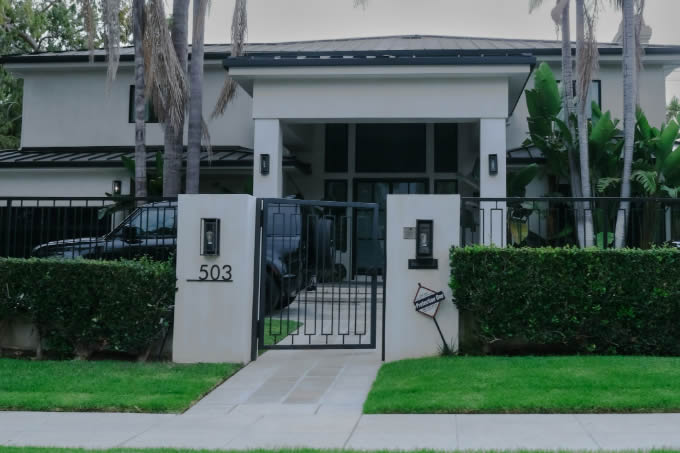
Garden privacy does not have to mean solid brick walls or overgrown hedging that takes years to establish. A well-chosen screen can create a private outdoor space almost immediately while adding genuine style to a garden boundary. Composite screening in particular offers a low-maintenance option that holds its colour and shape far longer than timber panels exposed to changeable weather. Suppliers such as Aluminium Gates offer bespoke composite screen options designed to fit awkward boundaries and specific privacy needs, making it easier to plan a garden that feels enclosed and considered rather than exposed to every angle.
Why Garden Privacy Matters More Than People Expect
Many homeowners only think seriously about garden privacy once a new extension goes up next door or a neighbour adds decking that overlooks a previously quiet patio. Once that happens, evenings spent outside can feel exposed rather than relaxing, and the whole point of having a garden as an extension of the home starts to fall away. Privacy screening addresses this directly, giving a garden back its sense of enclosure without the years of waiting that come with planting a hedge tall enough to matter, and without the visual weight of a full brick wall along a boundary line.
The Trouble With Traditional Fencing and Hedging
Timber fence panels are still the default choice for many gardens, yet they rarely age well against wind, rain and repeated changes in temperature throughout the year. Panels warp, posts rot at ground level, and the whole structure can need replacing within a decade even with regular staining and upkeep. Hedging solves the aesthetic side reasonably well but takes several growing seasons to reach a useful height, and it demands ongoing trimming to keep it neat. Neither option suits a homeowner who wants a boundary that looks finished and stays that way with minimal ongoing effort.
What Makes Composite Screening a Practical Choice
Composite screening combines recycled wood fibre with plastic polymers, producing panels that resist rot, splitting and fading far better than solid timber. The colour is set through the material itself rather than applied as a surface stain, so it does not need repainting every few years to keep its appearance. This matters particularly for boundaries that get heavy sun exposure or sit in a more exposed, weather-beaten part of a plot, where timber alternatives would otherwise need constant attention to avoid looking tired within just a couple of seasons.
Matching Screening Style to the Rest of a Garden
A screen should read as part of a considered garden design rather than a purely functional add-on bolted onto an existing boundary. Composite screening is available in a range of tones, from warmer natural wood effect finishes through to more contemporary greys, which makes it easier to coordinate with existing decking, planting beds or patio paving. Thinking about this alongside other garden features, rather than choosing a screen in isolation at the last minute, tends to produce a far more cohesive finished result once everything is installed together.
Screening for Specific Problem Areas
Not every garden needs a full boundary of screening, and often the more useful approach is targeting specific problem areas directly. A side passage that faces a neighbouring window, a bin storage area near the front of a property, or a hot tub corner that currently sits in full view are all common examples where a shorter run of composite screening solves the actual issue without the cost or visual bulk of screening an entire garden perimeter from one end to the other.
Planning Screening Alongside Other Garden Upgrades
Garden privacy projects tend to work out better when planned alongside other changes rather than treated as a separate afterthought once everything else is finished. Coordinating screening with new decking, a planting scheme or a patio resurfacing project means materials and colours can be chosen together, and installation can happen in a single organised phase rather than in several disconnected stages spread out across different seasons of the year, which often ends up costing more time and money overall.
Bringing It All Together for a More Private Garden
Choosing the right privacy screening comes down to balancing how a garden is actually used with the practical demands of durability and appearance over time. Gate suppliers offer composite screening options built for exactly this kind of project, giving homeowners a way to reclaim a sense of privacy without the long wait of hedging or the recurring maintenance of timber fencing. Getting this right early on makes a real difference to how a garden feels for years of everyday use to come.