
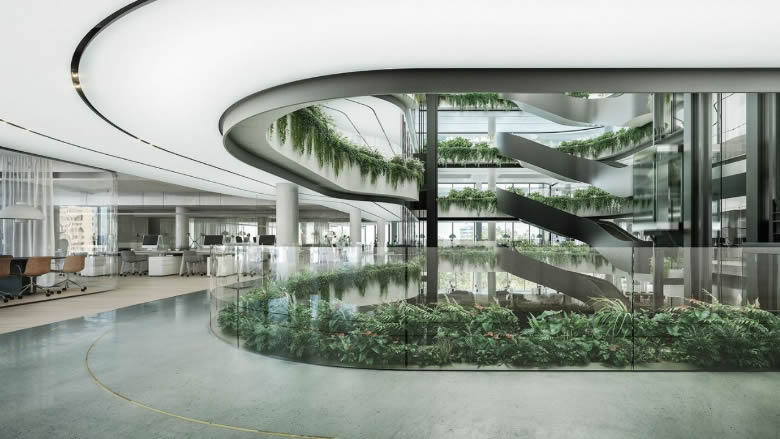
7 Building Trends Shaping Modern Commercial Spaces
The sector of commercial construction is continuously developing as companies try to meet the needs of their clients and create a good working environment for them. Regardless of whether your plans are to rent out your business premises, renovate your office, or expand your business buildings, knowing the latest tendencies in the construction field will be helpful in making the right decisions. Moreover, a lot of businesses prefer to collaborate with the construction business consultant from the very beginning of the project development process.
1. Sustainability is Pushing Better Construction Decisions
There are many aspects of sustainability that have become some of the most important considerations when it comes to commercial construction. Organizations are increasingly seeking methods by which they can decrease their energy use, lessen the effect on the environment, and save money in the long run. The use of LED lights, energy efficient heating and cooling equipment, enhanced insulation, solar panels, and green building materials have now become standard options.
On top of saving money on utilities, sustainable buildings provide a better atmosphere in terms of health. With the development of more environmental laws, green buildings today will mean less upgrading expenses in the future.
2. Flexible Workspaces Adapt to Evolving Business Requirements
The classic office plan is not appropriate for all organizations. Organizations need workspaces which will be flexible enough to suit various ways of working.
Modern commercial buildings incorporate areas meant for collaboration, private meeting rooms, quiet spaces, and multipurpose spaces which can be rearranged at will. This makes it possible for companies to meet their evolving requirements without making any drastic changes in terms of the layout of their space.
Adaptable workspace design can help companies make the best use of their commercial property.
3. Smart Technology Is Becoming an Industry Standard
Technology is revolutionizing how commercial buildings function. Smart building technologies enable companies to control lighting, temperature, security, and energy usage all through one system.
Automatic controls help boost efficiency because less energy is wasted and better working conditions are created. Occupancy sensors, access controls, remote monitoring, and maintenance alarms are some of the technologies which have become more prevalent in office spaces, retail stores, and other commercial buildings.
As technology advances, firms with smart infrastructure may be in a better position.
4. The Effect of Employee Well-being is Being Feared in Commercial Designs
There is an increased understanding among businessmen that the environment of the office is directly related to the well-being and productivity of their employees. Hence, commercial designs now take into account the creation of healthy and comfortable surroundings.
Natural light, better ventilation, ergonomically designed furniture, acoustic treatment, indoor plants, and break rooms all are some of the features which make the workplace more productive and comfortable for employees.
Workplaces where employees like to work have become necessary to attract employees.
5. Refurbishment Proves to be More Economical Than Relocation
Instead of relocating to new locations, several companies are now opting for refurbishment of their buildings. Proper planning for refurbishment will make their building functional, aesthetically pleasing, and more efficient, without the hassle of moving.
Refurbishing office spaces includes renovating layout, upgrading meeting rooms, making access easier, using energy-efficient facilities, and updating interiors to suit their corporate image.
For most organizations, improvement of the existing facility is a logical solution to their evolving business needs and resource optimization.
6. Good Planning Results in Good Projects
Another clear trend in commercial construction projects is the heightened emphasis on pre-planning. The businesses allocate more time towards the process of developing reasonable budgets, defining risks, knowing the planning criteria, and making realistic construction plans.
Working together with the business owners, architects, designers, contractors, and project managers at an early stage helps prevent misunderstandings and possible delays in the development process.
The effective flow of information through all stages helps the businesses make better decisions and helps projects go according to schedule, within budget and provide expected results.
7. Future-Proofing Is an Investment for the Future
Visionary companies design commercial buildings keeping in mind their future needs. Rather than concentrating only on current demands, they take into account how a building will serve for the coming decade.
The future-proofing may include such aspects as the installation of flexible IT infrastructure, use of modular designs, increased efficiency, room for growing, and selection of durable and low-maintenance building materials.
All these measures help save on future renovations and allow companies to keep on working in their commercial properties.
Conclusion
Building construction is not only about the creation of new structures or the renovation of old ones. Building construction is about the right choices that lead to better efficiency, support, and sustainability. By knowing about current building trends and planning projects properly, owners of any business can support construction business growth while developing commercial buildings that deliver long-term value. And for businesses that want to successfully go through their projects, there is nothing better than the strategic help of small business consulting construction.
FAQs
1. What are the latest trends in commercial building construction?
Current commercial building trends include sustainable construction, flexible workspaces, smart building technology, employee-focused design, refurbishment projects, detailed planning, and future-proof building strategies.
2. Why is sustainability important in commercial buildings?
Sustainable buildings help reduce energy consumption, lower operating costs, improve indoor environments, and support compliance with environmental regulations. They can also reduce future maintenance and upgrade expenses.
3. What is a smart commercial building?
A smart commercial building uses technologies such as automated lighting, climate control, security systems, occupancy sensors, and remote monitoring to improve efficiency, comfort, and building management.
4. Why are flexible workspaces becoming more popular?
Flexible workspaces allow businesses to adapt to changing work styles by offering collaborative areas, private meeting rooms, quiet spaces, and layouts that can be modified without major renovations.