
Ancient Capital to Modern Metropolis: Japan’s Cultural Crossroads
Japan offers a remarkable study in contrasts, where centuries-old customs continue alongside cutting-edge technology and fast-moving urban life. Few journeys illustrate this relationship better than the route linking Tokyo, Kyoto, and Osaka. These three cities reveal different aspects of the country’s character, from imperial traditions and temple gardens to neon-lit avenues, contemporary art, and world-leading transport. Moving between them provides an opportunity to understand how Japan has developed without losing sight of its cultural foundations.
From Tokyo’s Skyline to Kyoto’s Heritage
A journey on the Tokyo to Kyoto train provides a practical introduction to the contrast between Japan’s present and its historic heart. The route leaves behind Tokyo’s dense urban landscape before crossing central Japan’s changing scenery, including rural areas, rivers, and mountain ranges.
Kyoto feels distinctly different upon arrival. Once the seat of imperial power, the city is filled with wooden townhouses, Buddhist temples, Shinto shrines, and carefully cultivated gardens. Walking through its historic neighbourhoods reveals traditions that have survived generations, from tea ceremonies and calligraphy to traditional crafts.
The railway connection makes it possible to experience both sides of Japan’s identity within the same trip.
Osaka and the Route Back East
Travellers completing a wider circuit can take the train from Osaka to Tokyo, linking another major cultural centre with Japan’s enormous capital. The journey provides a comfortable opportunity to watch the scenery change while travelling between two cities with very different personalities.
Osaka is known for its energetic streets, extensive food culture, and straightforward local character. Tokyo, by comparison, feels vast and constantly in motion, with districts that can seem like individual cities within the metropolis.
Including both destinations gives visitors a broader perspective on contemporary Japanese life.
Tokyo’s Many Personalities
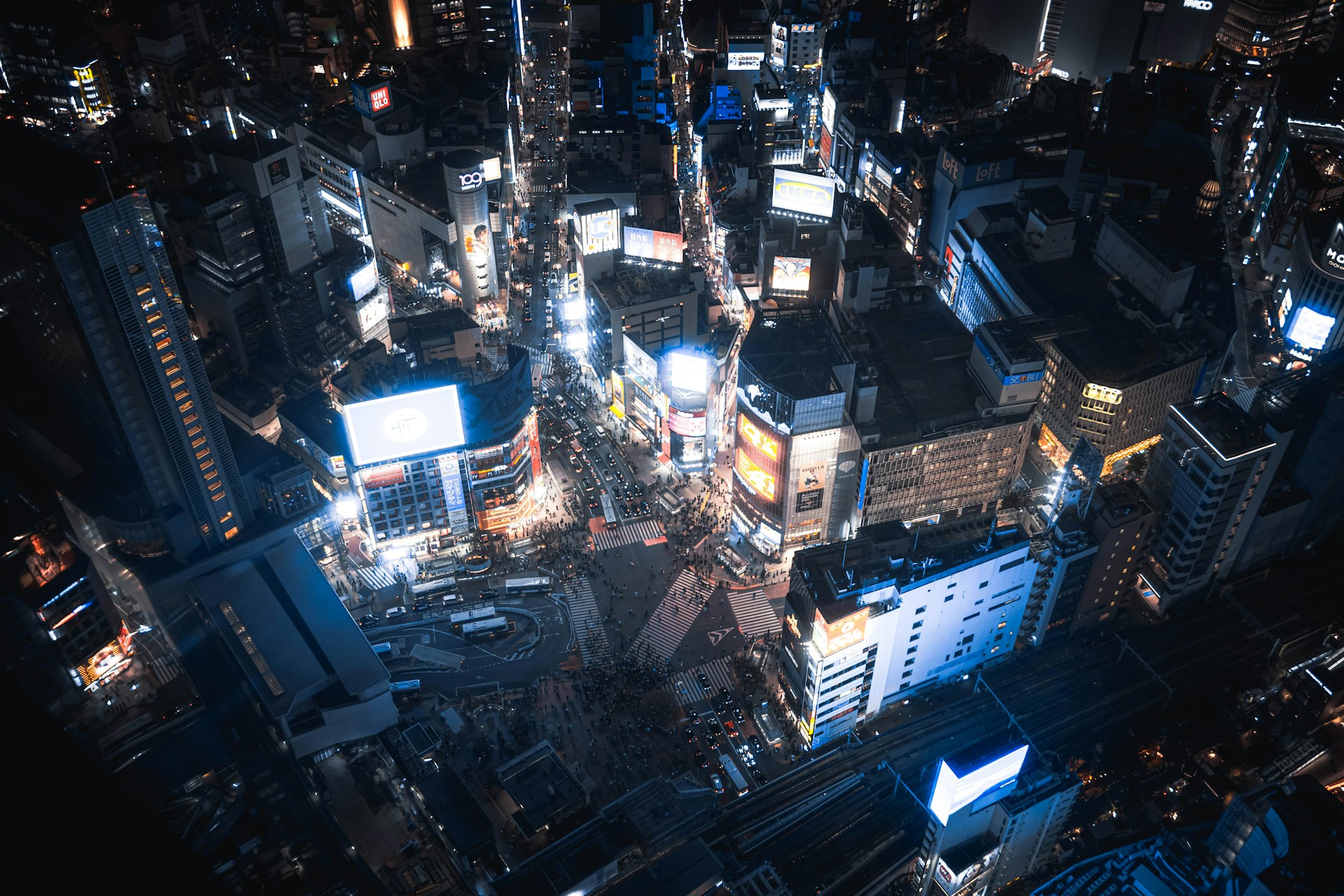
Tokyo can initially appear overwhelming, but its neighbourhoods each offer a distinct atmosphere. Shibuya is associated with fashion, entertainment, and youthful energy, while Ginza presents sophisticated shopping and dining.
Asakusa offers a glimpse of older Tokyo, with traditional shops and the celebrated Senso-ji temple providing a striking contrast to the surrounding modern cityscape. Ueno combines museums, parks, and cultural institutions, while quieter residential areas reveal small restaurants and independent businesses.
The capital’s greatest appeal lies in this constant movement between different eras and experiences.
Kyoto’s Architectural Legacy
Kyoto’s importance cannot be understood through its famous temples alone. The city’s traditional architecture extends into residential streets, tea houses, merchant homes, and artisan workshops.
Historic districts such as Gion provide glimpses of traditional urban design, while temple complexes demonstrate the importance of craftsmanship, symmetry, and natural surroundings in Japanese aesthetics. Gardens are particularly significant, using stones, water, plants, and carefully considered spaces to create a sense of harmony.
Even an ordinary walk can reveal details that reward closer attention, from tiled roofs to wooden façades and delicate seasonal decorations.
Osaka’s Culinary Reputation
Food is central to Osaka’s identity. The city has developed a reputation for casual dining and dishes that encourage social eating, making its busy food districts particularly enjoyable for visitors.
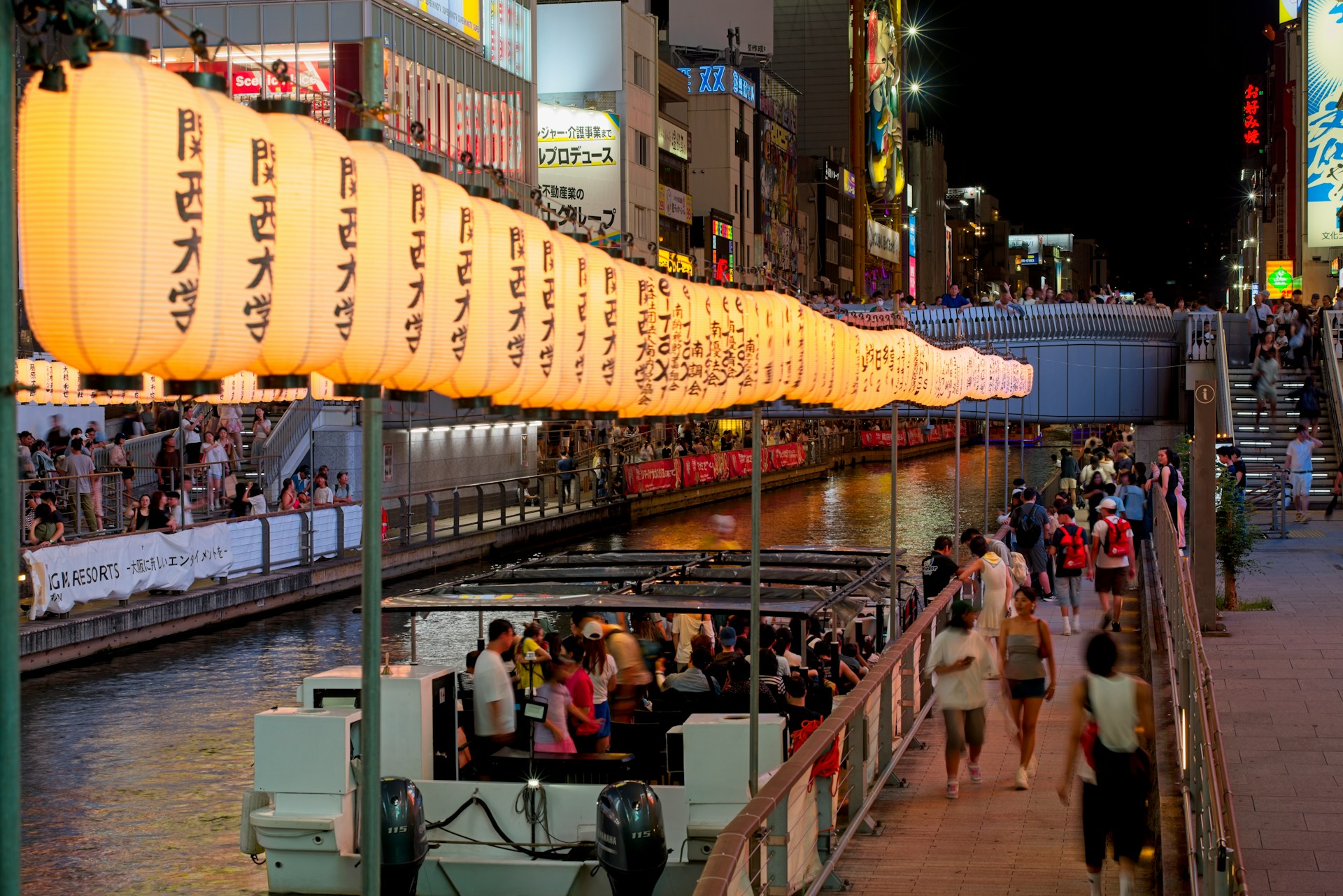
Dotonbori is famous for illuminated signs and restaurants serving local specialities, while Kuromon Market provides opportunities to sample seafood, produce, and other regional treats. Smaller neighbourhood establishments offer another perspective, often focusing on one or two dishes prepared with considerable expertise.
Eating in Osaka is less about ceremony and more about flavour, atmosphere, and the pleasure of sharing a meal.
Traditions That Continue to Evolve
Japan’s cultural heritage is not frozen in the past. Traditional arts continue to adapt, with younger generations finding new ways to preserve crafts, performance styles, and seasonal customs.
Visitors can encounter centuries-old techniques in contemporary galleries, modern interpretations of traditional clothing, and restaurants that combine established recipes with innovative presentation. Festivals also remain important, bringing communities together through music, processions, food, and decoration.
This ability to reinterpret tradition helps explain why Japanese culture remains both distinctive and dynamic.
Green Spaces Within Urban Landscapes
Despite the density of Japan’s major cities, parks and gardens provide valuable breathing room. Tokyo’s extensive green spaces include historic gardens, temple grounds, and large public parks where residents gather throughout the year.
Kyoto offers a particularly rich selection of landscaped gardens, many designed around principles of simplicity and balance. Osaka also has substantial parks and waterfront areas where visitors can take a break from its busy commercial districts.
These spaces demonstrate that nature remains an important part of Japanese urban life.
Museums, Design, and Contemporary Creativity
Japan’s cultural story extends into its modern creative industries. Tokyo is home to galleries, design studios, digital exhibitions, and architectural projects that continually redefine the experience of a major city.
Kyoto contributes through traditional crafts and contemporary artistic spaces, while Osaka has developed a lively scene encompassing fashion, design, music, and visual culture. Museums across all three cities provide opportunities to explore everything from ancient artefacts to experimental installations.
For visitors interested in creativity, the contrast between historic craftsmanship and modern innovation is particularly compelling.
Seasonal Experiences Across Central Japan
The changing seasons influence almost every aspect of Japanese culture. Spring brings cherry blossoms to parks and temple grounds, creating one of the country’s most recognisable landscapes. Summer introduces festivals, fireworks, and lively outdoor celebrations.
Autumn transforms gardens and mountain areas with vivid foliage, while winter brings a quieter atmosphere and opportunities to appreciate illuminated temples, seasonal food, and peaceful city streets.
Planning around seasonal events can add another layer to a journey, although each time of year has its own appeal.
Building a Three-City Experience
Tokyo, Kyoto, and Osaka work particularly well together because each offers something different. Tokyo provides an expansive view of contemporary Japan, Kyoto preserves the atmosphere of its imperial past, and Osaka introduces visitors to a more informal urban culture shaped strongly by food and commerce.
Allowing several days in each location makes it possible to explore major sights without overlooking smaller experiences. Local cafés, markets, neighbourhood streets, gardens, and independent shops often provide as much insight as the headline attractions.
Efficient rail connections make it straightforward to create a varied itinerary without spending excessive time in transit.
Conclusion
The journey between Tokyo, Kyoto, and Osaka reveals Japan as a country comfortable with contrasts. Imperial traditions coexist with futuristic technology, historic streets sit beside contemporary architecture, and ancient crafts continue to influence modern creativity. Exploring these three cultural crossroads by rail offers a rewarding way to experience both the enduring heritage and remarkable energy that define Japan today.