
A Week in Ireland: Linking Dublin, Galway and Belfast
Ireland is small enough to explore without spending entire days in transit, yet its cities can feel surprisingly different from one another. Dublin has the energy of a capital, Galway is closely tied to the Atlantic coast and Ireland’s creative traditions, while Belfast brings a distinct history and character from Northern Ireland. Put the three together and a week can become a varied introduction to the island, combining museums, music, food, waterfront walks and plenty of time outdoors. The route works particularly well without hiring a car. Public transport connects the major cities, leaving visitors free to read, look out of the window or simply enjoy the changing scenery between stops. The trick is not to overfill the itinerary. Three cities in seven days is achievable, but each one needs enough breathing room to feel like a destination rather than a brief stop between train journeys.
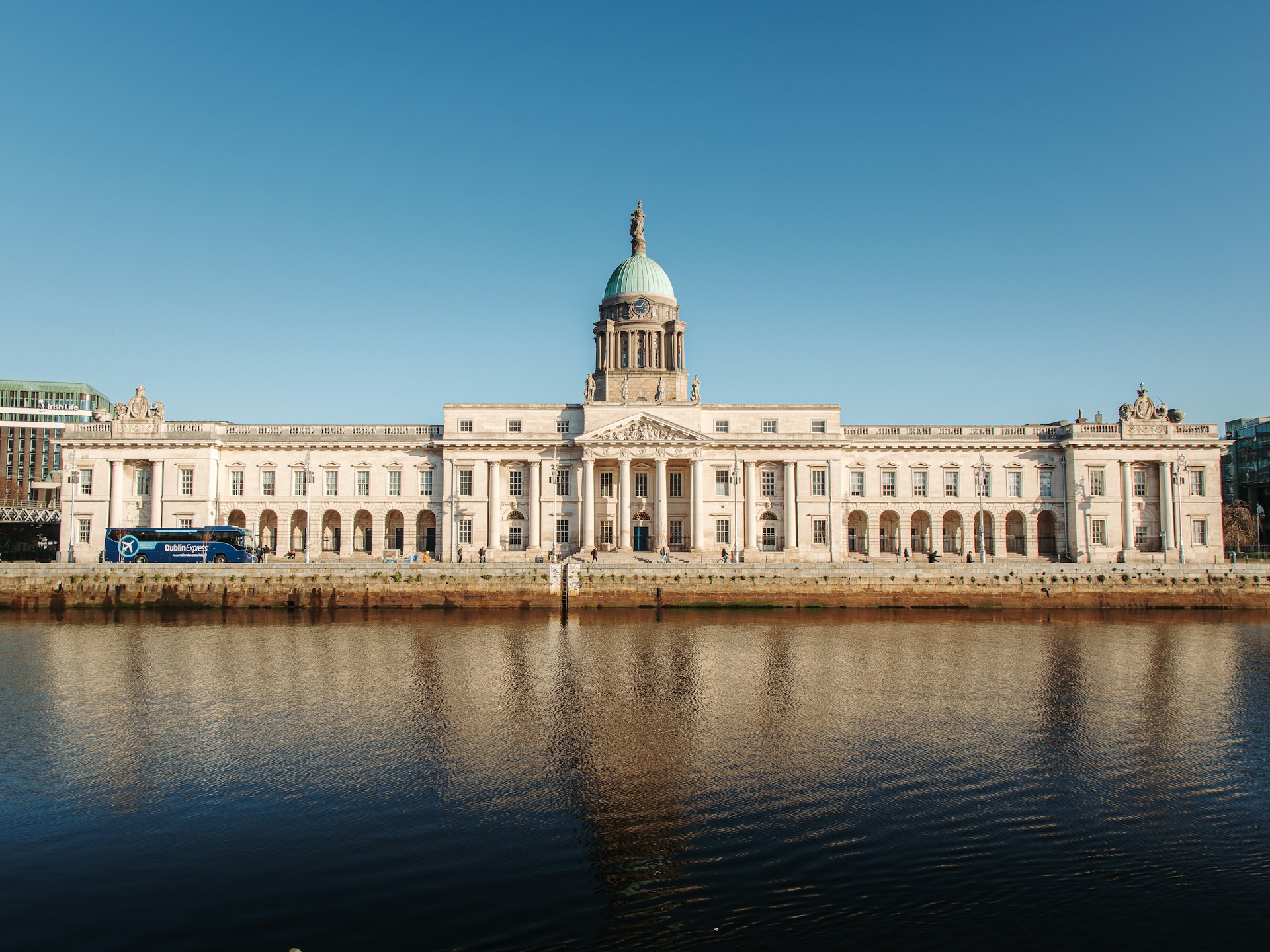
Dublin: Begin with the Capital
Dublin is an easy place to settle into an Irish itinerary. The centre is compact enough to explore largely on foot, with the River Liffey dividing north and south and many major sights within a manageable distance. Trinity College, Dublin Castle and the National Gallery provide plenty for culture lovers, while the streets around Temple Bar are busy with pubs, restaurants and live music. It is worth looking beyond the most famous attractions, too. St Stephen’s Green provides a pleasant break from the city streets, while the Liberties has a long association with brewing, distilling and Dublin’s working history. For a first evening, a traditional pub with live music can be a good introduction to the city’s social side, although the quieter neighbourhood bars often provide a more relaxed experience.
Galway: Head West for the Atlantic
After a couple of days in Dublin, travelling west changes the scenery considerably. The Galway to Dublin train is a useful option for the return journey, while the same rail route makes it straightforward to connect the two cities in either direction. Galway itself is smaller and more intimate than the capital, with colourful shopfronts, pedestrian streets and a strong connection to the Atlantic coast. The Latin Quarter is the obvious place to begin exploring. Narrow streets are filled with cafés, restaurants, pubs and small shops, while street musicians regularly add to the atmosphere. Eyre Square provides another central meeting point, but the best way to experience Galway is often simply to wander towards the waterfront and see where the streets lead.
An Afternoon by Galway Bay
Galway becomes particularly enjoyable when you leave room for the sea. The promenade at Salthill stretches along Galway Bay and provides wide views across the water, with the Aran Islands visible on clear days. It is an easy walk from the city centre and can be combined with a relaxed lunch or afternoon coffee. Those with more time can use Galway as a base for excursions into Connemara or towards the Cliffs of Moher. These trips require more planning than exploring the city itself, but they provide an opportunity to see the landscapes that make Ireland so distinctive. If the week is already busy, however, there is nothing wrong with keeping Galway simple and allowing the west coast to shape the pace of the trip.
Belfast: A Different Chapter of Irish History
The journey north introduces another perspective. Belfast has undergone considerable change, but its industrial heritage and political history remain visible throughout the city. The Titanic Quarter is one of the most prominent examples, with the Titanic Belfast museum standing on the site where the famous ship was designed and built. The city centre has its own character, from the ornate architecture of Belfast City Hall to the historic entries that lead away from the main streets. Street art and murals provide further insight into the city’s more recent history, although visitors should approach these areas with respect and an interest in understanding their context rather than treating them simply as photo opportunities.
Belfast’s Food and Evening Scene
Belfast has developed a lively food scene that makes it easy to spend an evening without relying solely on traditional pub fare. Restaurants range from casual neighbourhood spots to more ambitious kitchens, while St George’s Market is particularly useful for sampling local produce and street food. The city’s pubs remain an important part of its social life, but there are plenty of alternatives for an evening out. Cocktail bars, live music venues and small restaurants create a varied choice depending on the mood of the group. After a day spent exploring museums and historic streets, a relaxed meal can be a better option than trying to squeeze in another major attraction.
Returning to Dublin
The final stage of the route can bring you back to the capital. The Belfast to Dublin train provides a straightforward connection between the two cities, making it possible to finish the trip where it began. This is especially convenient for travellers flying home from Dublin Airport, although flight times should be checked carefully before deciding how late to leave Belfast. Having already seen Dublin at the beginning of the holiday, the final day can be deliberately lighter. Revisit a favourite neighbourhood, pick up gifts, explore a museum you skipped earlier or simply enjoy a final Irish breakfast. A second look at a familiar city often reveals details that were easy to miss on the first day.
Making Seven Days Work
A practical split would be three nights in Dublin, two nights in Galway and two nights in Belfast, although the balance can be adjusted according to personal interests. History enthusiasts may prefer more time in Belfast, while anyone planning a major excursion into Connemara or along the Atlantic coast could give Galway an additional night. Keep travel days relatively simple. Packing light makes changing hotels considerably easier, especially when moving between stations and city centres. It is also worth leaving a little flexibility for Irish weather, which can change quickly and occasionally disrupt outdoor plans.
More Than Three City Stops
Dublin, Galway and Belfast provide three distinct perspectives on the island. The capital introduces Ireland’s cultural institutions and urban history, Galway brings the Atlantic coast and a lively artistic spirit, while Belfast adds industrial heritage and a complex modern story. The beauty of linking them in one week is that the contrasts appear naturally as you travel. There is no need to chase every attraction or cover every county. A well-paced route, a few good meals and enough time to walk around without an agenda can reveal far more than a packed schedule.
A Compact Introduction to Ireland
A week cannot cover all of Ireland, but it can provide a strong sense of its variety. Dublin supplies the museums, historic buildings and city life, Galway opens the door to the western landscape, and Belfast adds another important dimension to the island’s history and culture. Travelling between them by public transport keeps the itinerary relatively straightforward while leaving plenty of time to enjoy each destination. The result is a trip that feels broad without becoming exhausting, with three cities providing very different reasons to keep exploring.