
Creative Development and Artistic Growth Through Art Classes Vaughan
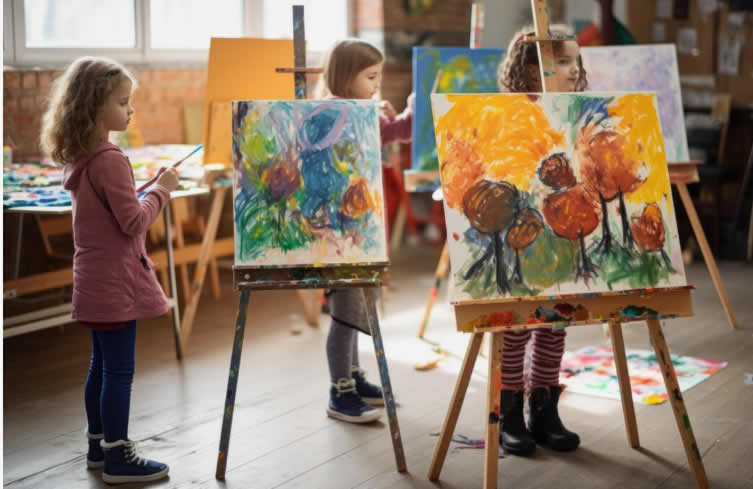
Art offers a unique opportunity to transform imagination into something meaningful. Through drawing, painting, and other creative activities, individuals can explore personal interests while developing valuable skills. Whether someone is a beginner or has previous artistic experience, structured instruction can make learning more enjoyable and productive.
Vaughan provides a setting where families and individuals can explore creative interests and discover the value of artistic education. With appropriate guidance, students can develop confidence, improve technical abilities, and learn to appreciate different forms of visual expression.
Creativity as an Essential Learning Experience
Creativity is not limited to professional artists. It is an ability that can benefit people in education, everyday life, and personal development.
Art encourages students to approach challenges from different perspectives. When creating a drawing or painting, they must consider composition, colour, balance, and visual details. These decisions encourage independent thinking and problem-solving.
Creative activities also allow individuals to express emotions and communicate ideas in ways that ordinary conversations may not always achieve.
Learning Techniques Through Practical Instruction
Practical experience is an important part of artistic education. Reading about painting techniques can provide useful information, but applying those methods helps students understand how they work.
For beginners, lessons may introduce pencil control, basic shapes, shading, and colour mixing. As skills improve, students can explore perspective, texture, detailed illustrations, and more complex compositions.
Teachers can support this process by demonstrating techniques and offering constructive feedback. Students should have opportunities to practise independently and develop their own creative approaches.
Why Art Classes Vaughan Can Support Creative Goals
Individuals interested in artistic development can consider art classes vaughan when exploring suitable learning opportunities. A structured program can provide access to guided activities, artistic materials, and practical exercises.
The best learning environment recognizes that students have different interests. Some may enjoy realistic drawing, while others prefer colourful paintings or imaginative illustrations.
Flexible instruction helps learners explore these interests without losing sight of important artistic foundations. Over time, they can develop a better understanding of their abilities and creative preferences.
Exploring Colour, Texture, and Composition
Understanding artistic elements helps students create more balanced and expressive work. Colour theory introduces the relationships between different shades and explains how colours can influence the overall appearance of an artwork.
Texture adds visual interest by representing the surface characteristics of objects. Students can practise creating smooth, rough, soft, or patterned effects through different techniques.
Composition focuses on how elements are arranged within an artwork. Learning about balance, proportion, and visual emphasis helps students communicate their ideas more effectively.
These concepts can be introduced through practical exercises and gradually applied to original projects.
Art classes Maple
Creative learners in nearby communities may also consider art classes maple when looking for opportunities to develop artistic abilities. Accessible programs can make it easier for students to participate regularly and build consistent learning habits.
A welcoming studio should encourage questions, experimentation, and individual progress. Students can benefit from structured activities while having enough freedom to explore subjects that interest them.
Regular lessons also provide a useful routine for practising techniques and discovering new artistic possibilities.
Supporting Children’s Imagination Through Art
Children often express curiosity through drawing, painting, and imaginative play. Artistic activities give them an opportunity to explore ideas while practising important developmental skills.
Creating pictures involves observation, coordination, and decision-making. Children learn to control drawing tools, recognize patterns, and combine colours to represent their thoughts.
Art can also teach patience. Completing a project requires children to focus on individual steps and understand that improvement takes practice.
Encouragement is especially important. Children should feel proud of their efforts rather than worrying about producing perfect results.
Art classes for kids
Parents seeking enjoyable learning activities can explore art classes kids. These programs can introduce young learners to drawing, painting, and creative experimentation through age-appropriate projects.
Students can develop new abilities while exploring their imagination in a supportive environment. Activities may include simple illustrations, colour experiments, painting exercises, and mixed-media creations.
The opportunity to share artwork with others can also help children develop confidence and communication skills.
Encouraging Creativity Beyond the Studio
Artistic development does not have to stop after a lesson. Families can encourage creativity through simple activities at home, such as drawing everyday objects, creating greeting cards, or experimenting with colours.
Keeping earlier artwork can help students recognize their improvement. It also reminds them that every creative project contributes to their development.
With regular practice and suitable guidance, artistic education can become a rewarding experience that supports confidence, imagination, and personal growth.