Cannabis Flower and Modern Consumer Choices: Understanding Different Formats
Cannabis is often discussed as if all products made from the plant are the same. However, there are different forms, and each has its own features. Cannabis flower, for example, is sold in different sizes and may look different from one product to another. Some people may notice the size of the buds, while others may look at their shape, colour or texture.
As more people read about cannabis products online, they can come across many names and terms. It can be hard to understand what these terms mean, especially when product descriptions use words that are not familiar to everyone.
Learning about the basic differences can make these descriptions easier to understand. It is also important to know that the look or name of a product does not tell you whether it is safe or legal. The type of product and the laws that apply to it matter too.
Understanding Cannabis Flower and Its Different Forms
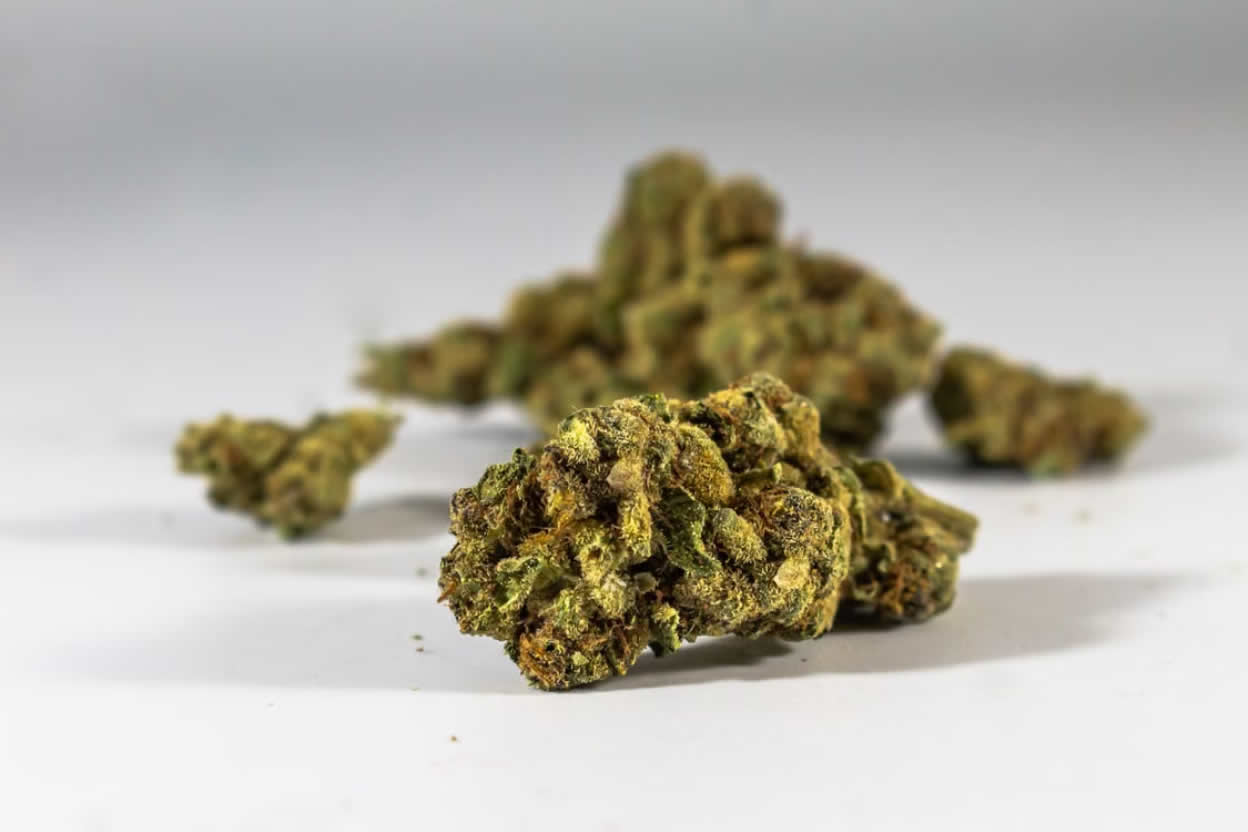
Cannabis flower refers to the flowering part of the cannabis plant. It is also known as a bud. These flowers grow on the plant and are often described by their size, shape, colour and surface.
When people look at cannabis flower, they may notice that some buds are large and closely packed, while others are much smaller. This is one reason why flower is often grouped into different sizes. These groups are mainly used to describe how the buds look.
The appearance can also vary from one plant to another. Some flowers may look light green, while others may have darker green or purple shades. Small, hair-like parts and a frosty-looking surface may also be visible.
These differences can depend on the plant type, how it was grown and how it was handled after harvesting. So, two flowers may not look exactly alike even when they belong to the same general category.
What Makes Cannabis Flower Formats Different?
There is no single feature that makes every cannabis flower look the same. Size, shape and surface are some of the main details used to describe different formats.
Large Buds and Small Buds
One of the easiest differences to notice is bud size. Large buds are bigger pieces of flower, while small buds are smaller pieces that may break away from larger flowers during handling and sorting.
Small buds are sometimes called popcorn buds because of their size and shape. The term is used to describe their appearance, not a separate type of cannabis plant. For example, the phrase thca small buds is used in product descriptions to refer to smaller flower pieces.
Bud size alone does not tell you about the quality or strength of a product. A larger flower is not automatically better than a smaller one. Other details, such as how the plant was grown, how the flower was stored and what it contains, also matter.
Appearance, Texture and Other Features
Colour is another detail people may notice. Cannabis flowers can have different shades of green, and some may show purple or orange parts. These colours can vary with the plant type and growing conditions.
The surface may also look different. Tiny parts called trichomes can give some flowers a frosty or crystal-like look. These small parts are found on the plant and contain compounds made by it.
Texture is another point used in descriptions. Some flowers may feel firm and tightly packed, while others may be softer or more loosely formed. However, a photo or short description cannot show every detail about a product.
How Online Shopping Has Changed the Way People Explore Cannabis Products
Online shopping has made it easier to find information about many types of products. People can read descriptions, compare photos and learn the meaning of terms without visiting a physical shop.
This is also true of cannabis-related products. Online descriptions may include details about the flower size, plant type, weight and other features. Some pages may also use terms that are new to readers.
However, photos do not always show the true size, colour or texture of a product. Lighting, camera quality and editing can change how something looks on a screen. A short description may also leave out details that a person wants to know.
It is better to read product information carefully rather than make a choice based only on a picture or a name. Any claims about what a product contains should be supported by clear and reliable test information.
What Should Consumers Understand Before Exploring Cannabis-Related Products?
Knowing how to read a product description is useful, but there are other things to consider before looking into cannabis-related products.
Understanding Product Information
Start by checking what the product actually contains. Names and labels can sometimes sound similar, even when they refer to different substances or forms.
For example, CBD and THC are two different compounds found in the cannabis plant. THCA is another compound that has received attention because it can change into THC when heated. These terms should not be treated as if they all mean the same thing.
A product label or online description should not be taken as proof of its contents. Where testing information is available, it should clearly identify the product and show what was tested. Be careful with claims that are unclear or not backed by test results.
Knowing the Legal Rules in the UK
The law is especially important when looking at cannabis flower in the UK. Cannabis is a Class B controlled drug under the Misuse of Drugs Act 1971. The law covers the cannabis plant and its parts, with certain exceptions for items such as seeds and mature stalks.
This means that a product should not be assumed to be legal just because it is described as low in THC or sold under a different name. In May 2026, the UK Government also said it would proceed with controlling THCA as a Class B substance. Anyone looking into these products should check the latest UK rules on cannabis, CBD and other cannabinoids rather than relying on a seller’s description.
Conclusion
Cannabis flower can come in different sizes and have different colours, shapes and textures. Knowing these basic terms helps readers understand what they may see in product descriptions and online discussions.
Still, appearance is only one part of the picture. A photo cannot confirm what a product contains, how it was made or whether it meets the rules that apply in a particular country.
Taking time to check clear product details and current laws is more useful than relying on names or claims alone. This is especially important in the UK, where cannabis and certain related substances are controlled by law.
Disclaimer: CBD products are not intended to diagnose, treat, or prevent any diseases.