
The Regions of France Every First-Time Visitor Should See
France is often introduced through Paris, but the capital represents only a small part of what makes the country so compelling. Beyond the museums, boulevards and famous landmarks lies a patchwork of regions with their own landscapes, food traditions, architecture and pace of life. A first visit becomes much more varied when it includes at least one destination beyond the capital. The challenge is choosing where to go first. France has mountains, Mediterranean beaches, Atlantic coastline, vineyard country, medieval towns and rural landscapes, often within relatively manageable distances.
Choosing Your First French Regions
Trying to cover every corner of France in one holiday is likely to leave more time spent travelling than enjoying the destinations. A better approach is to choose two or three regions that complement one another. Paris and Normandy work well for history, while Paris and the Loire Valley create a natural combination of art, architecture and countryside. Provence can be paired with the Riviera, while Bordeaux works well with the Dordogne or Atlantic coast. For travellers who prefer organised travel, Firebird Tours can also be considered when planning a multi-stop French itinerary. A structured route can be useful for those who want to combine several regions without having to coordinate every hotel, transfer and sightseeing day independently.
Paris and the Île-de-France
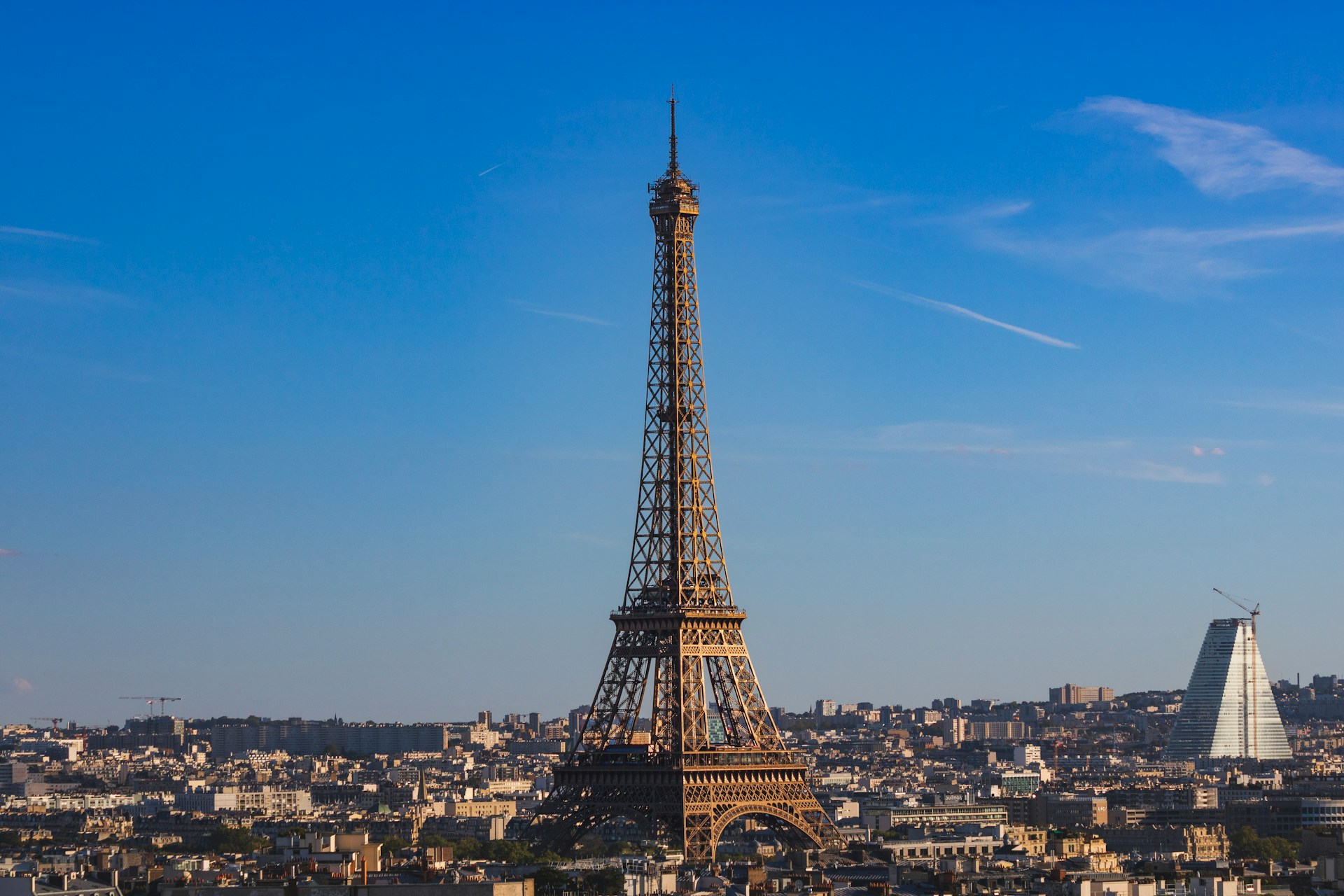
Paris naturally deserves a place on a first visit, even if the wider trip extends far beyond the capital. The city provides an introduction to French art, architecture and food, from the Louvre and Musée d’Orsay to neighbourhood cafés and traditional bakeries. Walking remains one of the best ways to understand its different districts, whether that means exploring Montmartre, the Marais or the streets around Saint-Germain-des-Prés. The surrounding Île-de-France region is worth considering too. Versailles is an obvious addition, with its enormous palace and formal gardens, while smaller towns and forests provide a quieter contrast to central Paris. Spending a few days here before continuing elsewhere gives first-time visitors a useful introduction to the country. For travellers considering France tours, understanding the character of each region can make it easier to build an itinerary that feels varied without trying to see everything at once.
Normandy for History and the Coast
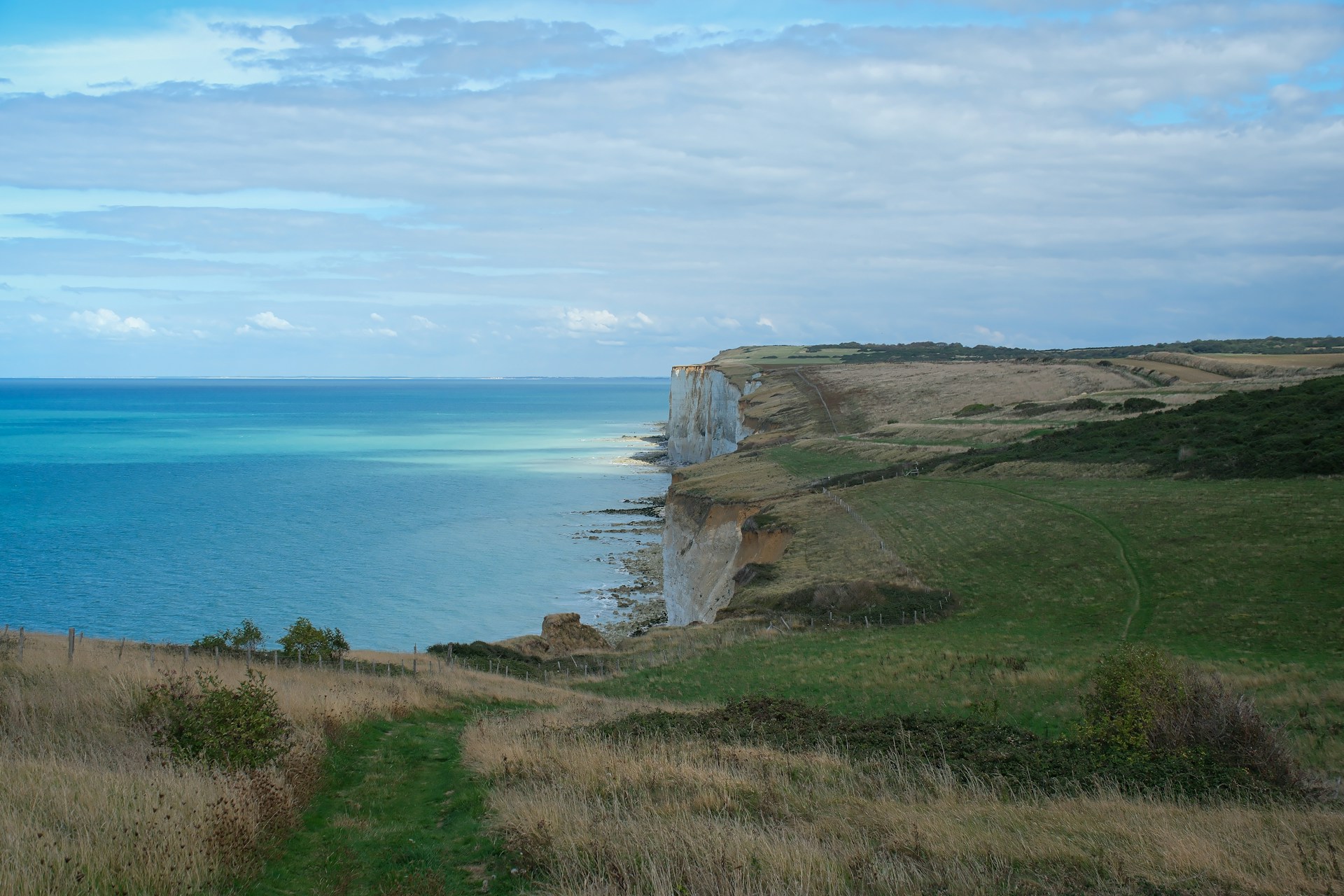
North-west France combines dramatic coastline with an important historical legacy. Normandy is particularly well known for the D-Day landing beaches, where museums, memorials and preserved sites help explain the events of 1944. For visitors interested in European history, this region can add considerable depth to a French itinerary. Normandy is not defined solely by wartime history. Rouen has a beautifully preserved medieval centre and a cathedral made famous by Monet’s paintings, while the seaside towns of Honfleur and Étretat provide a very different experience. Mont-Saint-Michel, rising dramatically above its surrounding bay, is another major attraction, although its popularity means planning ahead is sensible.
The Loire Valley and Its Châteaux
The Loire Valley is a natural choice for anyone drawn to grand architecture and French gardens. Magnificent châteaux are scattered throughout the region, each with its own history and distinctive design. Château de Chambord is perhaps the most recognisable, while Chenonceau, built partly across the River Cher, has a very different appearance. The region also lends itself to slower travel. Between castle visits, there are vineyards, riverside towns, cycling routes and local markets. Instead of moving every day, staying in one base and exploring several nearby estates can make the Loire Valley feel much more relaxed.
Provence and the South of France
Provence brings a completely different atmosphere. Dry hills, olive groves, vineyards and fields of lavender define much of the countryside, while historic towns add colour and character. Avignon, Aix-en-Provence and Arles each provide strong reasons to spend time inland before heading towards the Mediterranean. The coast introduces another side of southern France. Nice combines an elegant waterfront with a historic old town, while nearby Antibes and Menton provide smaller-scale alternatives. Travellers with more time can continue along the Côte d’Azur, although it is worth remembering that the region can become extremely busy during peak summer months.
The French Riviera
The French Riviera deserves its own consideration because it offers a distinct combination of sea, architecture and urban sophistication. Nice is often the most practical base, with good transport connections and plenty to do without a car. From there, coastal trains and buses make it possible to visit several towns without constantly changing accommodation. Monaco is another popular excursion, while Èze sits dramatically above the coast and provides spectacular views. The appeal of the Riviera is not simply its beaches. Markets, gardens, galleries and historic streets create plenty of alternatives when visitors want a break from the water.
Bordeaux and South-West France
Bordeaux is an excellent choice for travellers interested in wine, architecture and food. The city centre contains elegant eighteenth-century buildings, broad squares and the Garonne waterfront, while vineyards stretch across the surrounding countryside. Wine lovers can use Bordeaux as a base for excursions into some of France’s most famous wine-producing areas. The wider south-west also has plenty to offer. The Atlantic coast brings long beaches and surfing communities, while inland towns reveal a slower side of French life. Dordogne is particularly attractive for its rivers, limestone landscapes, prehistoric sites and villages built into the countryside.
The Alps and Eastern France
For dramatic scenery, eastern France is difficult to overlook. The French Alps provide opportunities for hiking, skiing and mountain sightseeing, depending on the season. Chamonix is one of the best-known bases, sitting beneath Mont Blanc and surrounded by peaks, glaciers and alpine valleys. Lyon provides a useful urban addition to the region. Its historic centre combines Renaissance buildings with narrow lanes known as traboules, while its culinary reputation makes it an appealing destination in its own right. From Lyon, travellers can also reach the Alps or continue south towards Provence.
Brittany for a Taste of Celtic France
Brittany feels distinctly different from many other parts of the country. The Atlantic coastline is rugged, with rocky headlands, sandy beaches and fishing ports, while towns such as Saint-Malo retain impressive fortified walls. Breton culture remains visible in local traditions, festivals, architecture and cuisine. Food is another reason to visit. Crêpes and galettes are closely associated with the region, while seafood features heavily along the coast. Brittany suits travellers who prefer scenic drives, coastal walks and small towns to major metropolitan sightseeing.
France Beyond the Capital
The most memorable first trips to France often come from seeing how dramatically the country changes from one region to another. Normandy feels worlds away from Provence, Brittany has a character distinct from the Riviera, and the Loire Valley presents an entirely different landscape from the Alps. Rather than treating France as a single destination, think of it as a collection of regional experiences. Choose a handful that genuinely interest you, allow enough time to enjoy each one, and the country becomes much more than Paris followed by a hurried list of famous sights.