
Solar Battery Storage Tips for Maximizing Energy Savings
Solar battery storage can directly increase energy savings by helping households use more of the electricity their panels produce instead of sending excess power back to the grid. That benefit grows when the system is used strategically. Charging patterns, battery settings, maintenance, and daily energy timing all affect how much value a homeowner gets from stored solar power. A well-managed battery reduces waste, covers evening demand, and supports better control over electricity costs. This guide explains how solar battery storage affects savings, what usage habits improve efficiency, and how smarter energy management can turn a solar setup into a more reliable and cost-effective household asset.
Understand How Solar Battery Storage Impacts Energy Savings
How Solar Batteries Store and Deliver Renewable Energy
Solar batteries store excess electricity produced by solar panels after household demand has been met. Instead of exporting all surplus energy to the grid, the system saves it for later use. When solar production drops in the evening, during cloudy periods, or at night, the battery discharges stored power to run household appliances. This process helps maintain a steadier supply of renewable energy inside the home. The more effectively a household uses stored solar power during non-generating hours, the less electricity it needs to purchase, which directly supports stronger energy savings over time.
Why Energy Timing Matters for Reducing Electricity Waste
Energy timing matters because solar generation and household demand rarely peak at the same moment. Many homes produce the most solar power around midday, while electricity use often rises in the morning and evening. Without storage, that mismatch can lead to unused solar energy being exported at lower value while the home later buys electricity at higher rates. A battery solves part of this issue by shifting available energy to the hours when it is most useful. Using stored power during expensive periods reduces waste, improves self-consumption, and makes the overall solar system more financially efficient.
Optimize Solar Battery Charging and Usage Habits
Use Solar Power During Peak Generation Hours
Peak generation hours are the best time to charge a solar battery because panel output is usually highest and clean energy is most available. Running flexible appliances, such as washing machines, dishwashers, or water heating, during these hours can also reduce strain on the battery and preserve stored power for later. This approach improves direct solar use and limits unnecessary conversion losses. If the battery reaches a healthy charge level before late afternoon, the home is better positioned to rely less on the grid in the evening, when energy demand often climbs and electricity costs may be higher.
Adjust Battery Settings Based on Household Energy Needs
Battery settings should match actual household demand rather than staying on default modes year-round. For example, a family that uses more electricity in the evening may want the system to hold a larger reserve for cooking, entertainment, lighting, and climate control after sunset. If the household is on a time-of-use tariff, discharge settings should target the most expensive periods first to maximize bill savings. Backup reserve levels also need careful planning. Setting them too high may leave useful energy unused, while setting them too low can reduce resilience during outages. Seasonal changes matter as well. In summer, stronger solar production may allow more aggressive charging and evening discharge. In winter, lower generation may require more conservative battery use. Reviewing settings every few months helps ensure the system continues to support real usage patterns and stronger overall efficiency.
Practical Ways to Improve Solar Battery Efficiency
Monitor Energy Consumption with Smart Management Tools
Smart energy management tools make it easier to see how solar production, battery charging, and household demand interact throughout the day. Real-time monitoring helps homeowners spot patterns, such as high evening loads, midday surplus generation, or repeated battery depletion before peak-price periods. With that information, they can shift appliance schedules, fine-tune battery discharge windows, and improve self-consumption. Many systems also provide historical usage data, which is useful for comparing weekday and weekend patterns or adjusting for seasonal changes. Better visibility usually leads to better decisions, and better decisions support stronger battery efficiency and lower energy costs.
Maintain Proper Battery Conditions for Better Performance
Solar batteries perform best when installed and operated in suitable conditions. Good ventilation helps manage heat, while clean, dry surroundings support safe and stable operation. Homeowners should follow manufacturer guidance for temperature range, placement, and cable use, since improper setup can affect charging performance and long-term reliability. It is also wise to check for software or firmware updates when available, because system improvements may enhance control and efficiency. Consistent maintenance does not need to be complex, but it does help protect usable capacity and support more dependable daily performance.
Balance Solar Production, Storage Capacity, and Daily Usage
A balanced system stores enough energy to cover key household demand without leaving too much capacity underused. If solar production is limited, a very large battery may not charge fully or cycle often enough to maximize savings. If daily consumption is high, too little storage may force frequent grid use. Matching these three factors creates a more efficient setup.
How Anker SOLIX Solar Battery Solutions Support Smarter Energy Management
Expandable Storage Capacity for Different Household Needs
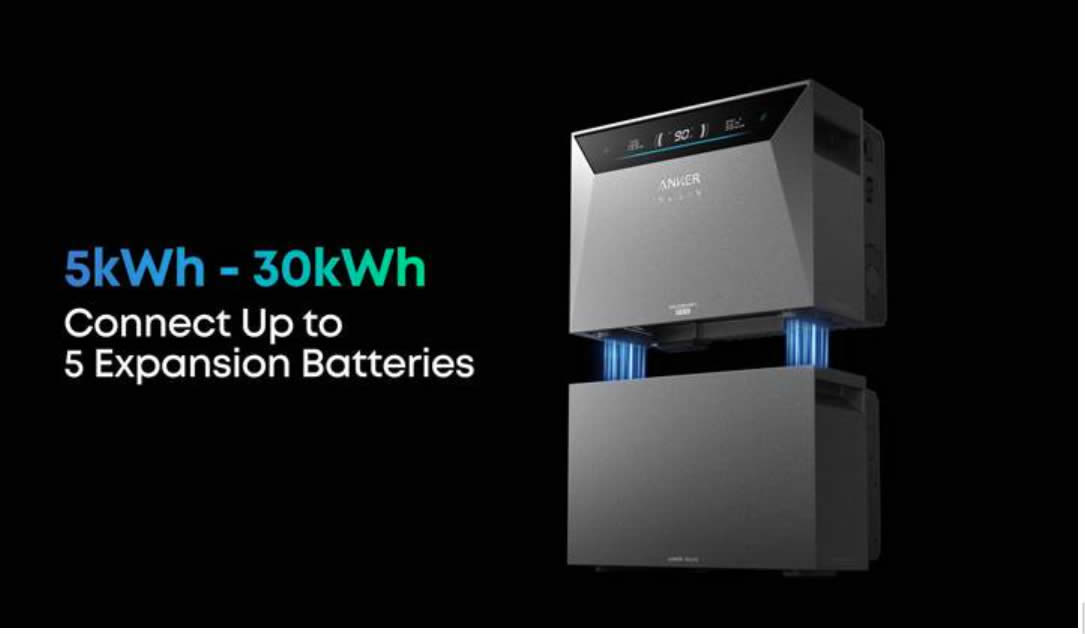
Anker SOLIX Solarbank 4 E5000 Pro supports households with changing energy needs by combining strong output with flexible solar input. It provides 2,500W on-grid output for everyday essentials and a built-in 2,500W off-grid port for heavier appliance use when needed. Its 4 MPPTs support 4 to 12 panels and can generate up to 5,586kWh annually, helping cover daily consumption, EV charging, and additional household demand. This kind of scalable setup makes it easier to align solar production and storage capacity with actual usage instead of relying on a one-size-fits-all approach.
Smart Energy Control for Higher Solar Self-Consumption
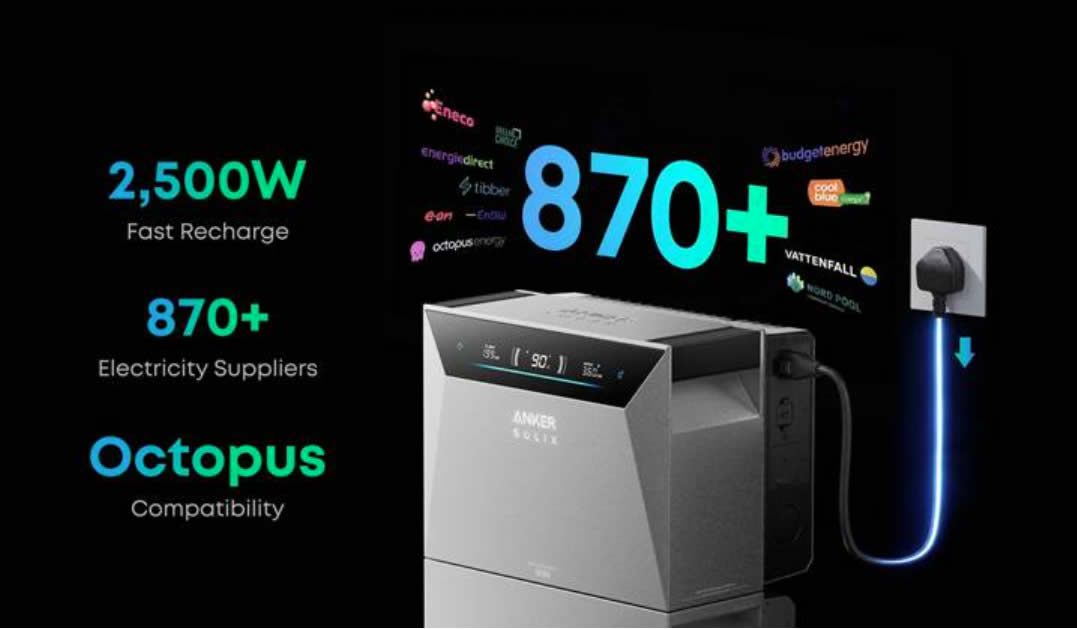
Smart control features can improve savings by deciding when charging and discharging should happen for the greatest benefit. With 2,500W fast recharge, the 5kWh battery in the Anker SOLIX Solarbank 4 E5000 Pro can fully charge in under 2 hours during off-peak periods, then supply the home when electricity prices rise. It is also compatible with Octopus and more than 870 electricity suppliers, which supports automated energy management based on changing rates. For best safety and charging performance, official Anker SOLIX cables such as the Solar Panel Extension Cable, Y-Branch Connector, or 3-in-1 PV Adapter Cable are recommended.
Build a Long-Term Solar Battery Savings Strategy
Review Energy Patterns and Adjust Storage Settings Regularly
Regular reviews help keep battery performance aligned with real household demand. Checking monthly or seasonal data can reveal whether stored energy is running out too early, sitting unused too often, or missing the most expensive grid periods. Small setting changes can improve savings without altering the hardware.
Prepare Your Solar Battery System for Future Energy Needs
Future planning makes a solar battery system more useful and cost-effective over time. If the household may add an EV, new appliances, or backup power priorities, storage strategy should account for that growth early. Expanding thoughtfully helps maintain strong self-consumption and avoids reactive upgrades later.
Conclusion
Maximizing solar battery savings comes down to timing, monitoring, maintenance, and a storage setup that matches household demand. When homeowners charge strategically, fine-tune settings, and review energy patterns regularly, they can use more of their own solar power and buy less from the grid. A well-managed battery supports stronger self-consumption, lower electricity costs, and better long-term system value. With practical habits and smart energy control, solar storage becomes a more efficient and reliable part of everyday home energy use.