
Renaissance Masterpieces to Roman Grandeur: Northern to Central Italy
Italy rewards travellers with a remarkable succession of cities, each carrying its own artistic language, architectural style, and historical identity. A journey from the northern centres of Milan and Venice towards Florence and Rome traces some of the country’s most influential cultural chapters. Along the way, grand cathedrals give way to Renaissance palaces, ancient ruins emerge beside modern streets, and celebrated works of art become part of the urban landscape. Exploring Italy by rail makes it possible to connect these destinations comfortably while leaving plenty of time for discovery.
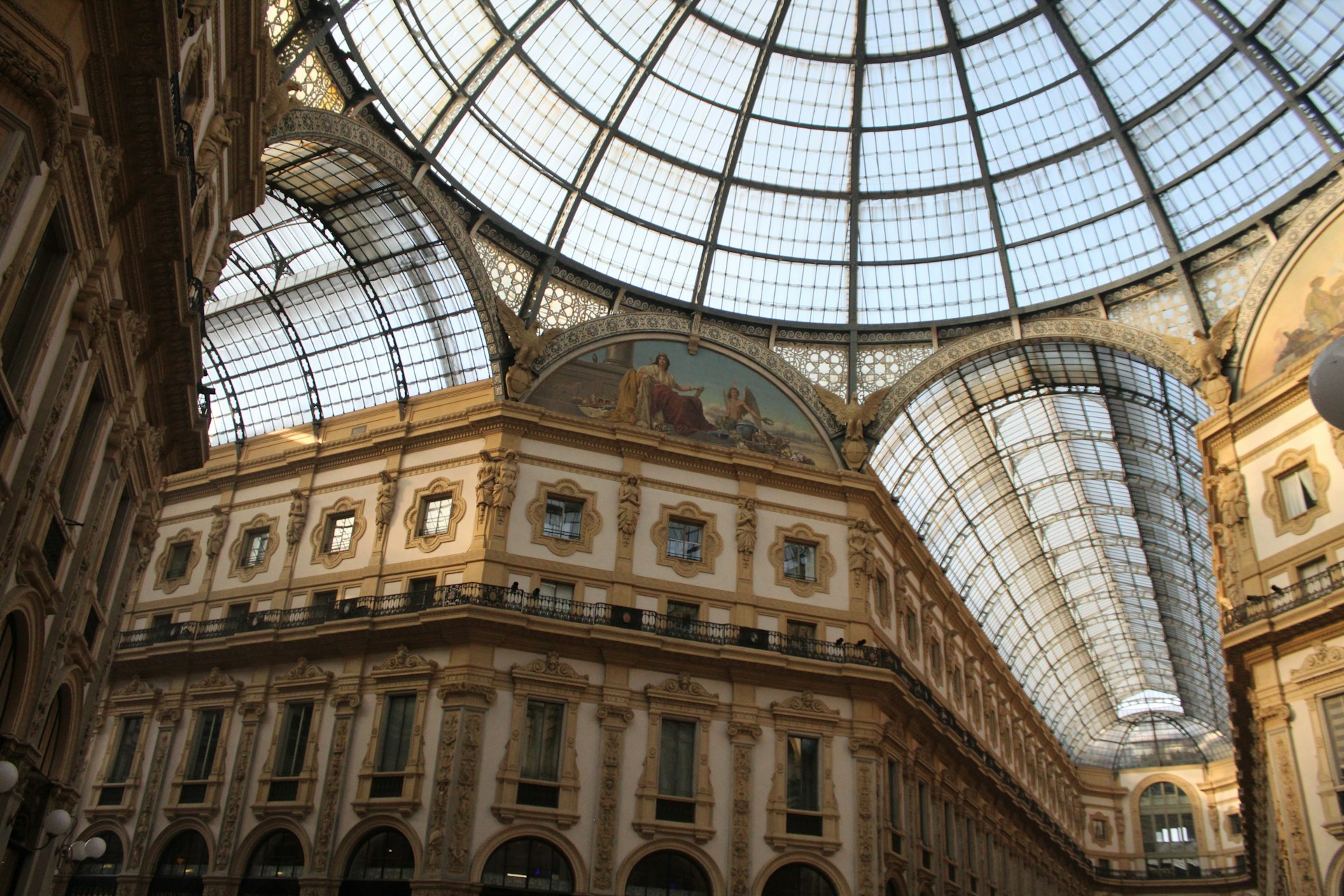
From Milan’s Elegance Towards Venice
The Milan to Venice train offers a convenient beginning for travellers interested in northern Italy’s artistic and architectural heritage. Milan is associated with sophisticated fashion, contemporary design, and impressive historic landmarks, while Venice presents an entirely different environment shaped by water.
Leaving Milan behind, the railway journey crosses the northern Italian landscape before reaching Venice. The change in scenery and atmosphere is striking. Instead of broad avenues and urban districts, visitors encounter canals, bridges, narrow lanes, and centuries-old buildings seemingly rising directly from the lagoon.
This contrast makes the connection between the two cities particularly rewarding.
Milan’s Meeting Point of Past and Present
Milan possesses a distinctly modern personality, yet its historical foundations remain impossible to overlook. The magnificent Duomo dominates the city centre with its intricate Gothic exterior and extraordinary collection of pinnacles and statues.
Nearby, elegant shopping arcades and prestigious cultural institutions demonstrate Milan’s contemporary influence. The city’s museums preserve important works of art, while historic neighbourhoods provide opportunities to see architectural details dating from several different periods.
An afternoon spent moving between galleries, cafés, churches, and public squares reveals a city constantly balancing tradition with innovation.
Venice and the Art of the Lagoon
Venice feels almost theatrical from the moment visitors arrive. Waterways take the place of conventional streets, while ornate palaces and historic churches line the canals. The city’s unique geography has shaped its architecture, commerce, and social life for centuries.
St Mark’s Square remains an essential stop, but quieter districts provide another perspective. Small bridges lead towards artisan workshops, neighbourhood cafés, and peaceful canals where the pace becomes noticeably slower.
Venetian craftsmanship also deserves attention. Glassmaking, decorative arts, textiles, and traditional boatbuilding remain closely associated with the city’s cultural identity.
Florence and the Renaissance Revolution
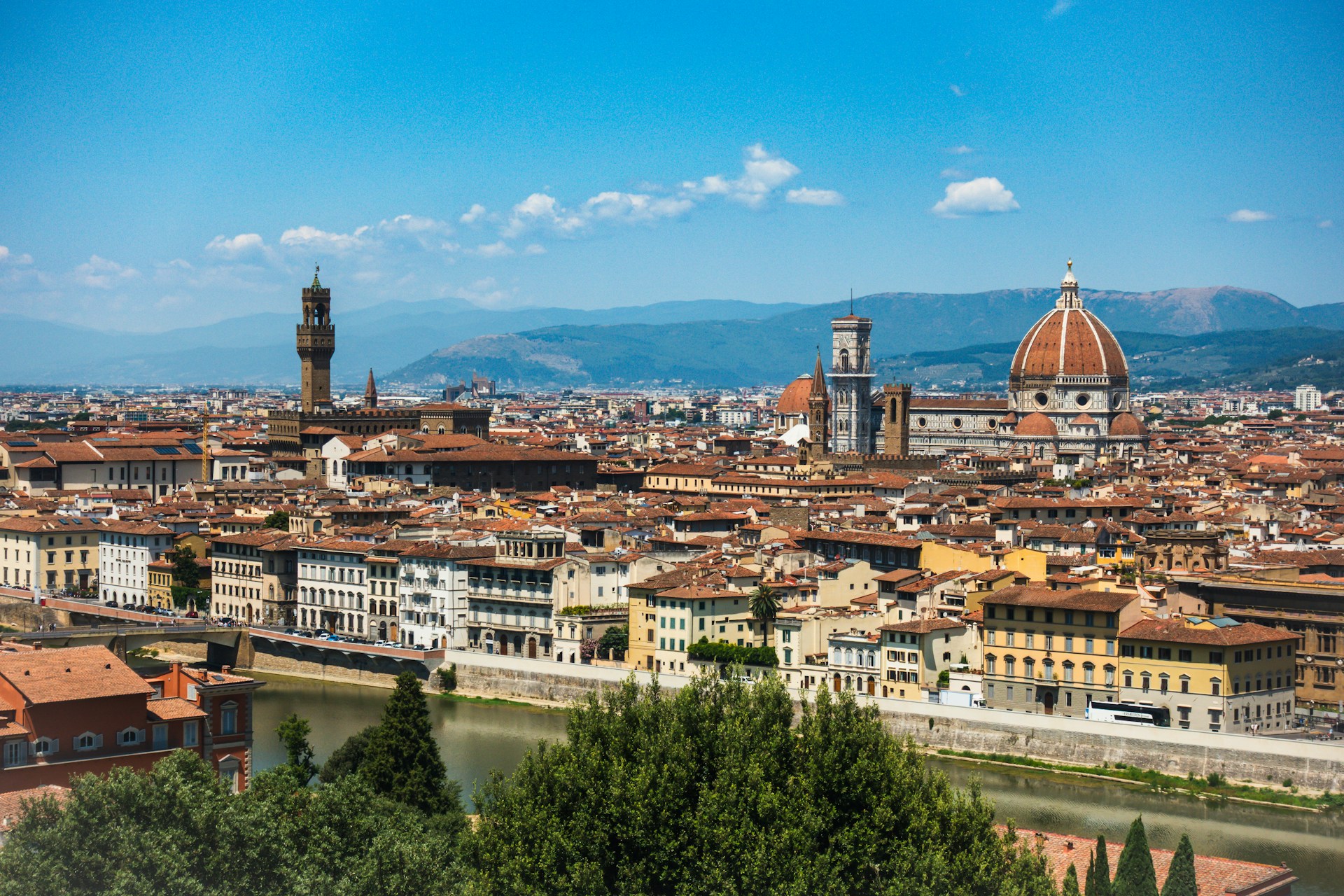
Heading south brings travellers to Florence, a city whose contribution to European art can hardly be overstated. The Renaissance transformed Florence into an extraordinary centre of painting, sculpture, architecture, philosophy, and scientific thought.
The historic centre is compact enough to explore largely on foot. The Cathedral of Santa Maria del Fiore, Palazzo Vecchio, and numerous churches demonstrate the ambition of the city’s architects and patrons.
Museums hold works by some of the most influential figures in Western art, yet Florence’s appeal extends beyond its collections. Workshops, bookshops, markets, and traditional cafés contribute to a living cultural scene.
A Scenic Connection to Rome
For travellers continuing towards the capital, the Florence to Rome train provides a straightforward link between two major Italian destinations. The route passes through central Italian countryside, offering glimpses of rolling hills, cultivated fields, and settlements scattered across the landscape.
Rail travel also allows visitors to avoid the disruption of long road journeys, making it easier to preserve valuable sightseeing time. Once in Rome, the scale of the historical inheritance becomes immediately apparent.
The transition from Renaissance Florence to ancient Rome creates one of the most compelling contrasts on an Italian itinerary.
Rome’s Monumental Presence
Rome contains an extraordinary concentration of landmarks spanning thousands of years. Ancient ruins stand alongside Renaissance churches, Baroque fountains, and lively contemporary neighbourhoods, creating a city where different eras appear to overlap.
The Colosseum remains one of the most recognisable monuments of antiquity, while the Roman Forum offers a glimpse into the political and social centre of the ancient city. Elsewhere, fountains, piazzas, and churches demonstrate the artistic ambition of later periods.
Yet Rome is not simply an open-air museum. Its markets, restaurants, residential streets, and bustling squares make the historic capital feel vibrant and lived-in.
Churches as Artistic Time Capsules
Religious buildings provide some of the richest opportunities to appreciate Italy’s artistic development. Across Milan, Venice, Florence, and Rome, churches preserve paintings, sculptures, mosaics, frescoes, and architectural details created over many centuries.
Some interiors are grand and theatrical, while others feel intimate and restrained. Looking closely at ceilings, chapels, doors, and decorative features can reveal extraordinary craftsmanship that is easy to miss when rushing between major attractions.
These spaces also demonstrate how closely art and religion were connected throughout Italian history.
Italian Craftsmanship Beyond the Famous Works
Italy’s creative heritage is not limited to celebrated museum pieces. Traditional crafts remain visible in workshops and specialist businesses throughout the country.
Florence is particularly associated with leatherwork, jewellery, and decorative arts, while Venice has maintained its reputation for glass and intricate handmade products. Milan’s design culture introduces a contemporary dimension, showing how Italian craftsmanship continues to evolve.
Purchasing a locally made object can provide a more personal reminder of a journey than a conventional souvenir.
Regional Food Along the Route
Travelling through northern and central Italy also means encountering significant culinary differences. Milan is known for dishes reflecting northern traditions, including recipes based around rice, butter, and rich sauces. Venice draws heavily on its lagoon and maritime surroundings.
Florence showcases the straightforward flavours of Tuscany, where quality ingredients take centre stage. Rome has its own celebrated repertoire of pasta dishes, seasonal vegetables, and rustic specialities.
Visiting local markets and independent restaurants provides a chance to discover these distinctions without relying solely on internationally familiar dishes.
Choosing the Right Pace
A journey across northern and central Italy becomes more rewarding when each city receives enough time. Milan can introduce visitors to contemporary Italian culture before Venice shifts the focus towards maritime history and artistic traditions.
Florence deserves several days for its museums and Renaissance architecture, while Rome benefits from a longer stay because of its enormous concentration of attractions. Travelling between cities by rail keeps the itinerary practical and avoids unnecessary complications.
Leaving unplanned periods in the schedule can also create room for spontaneous discoveries.
Conclusion
The route from Milan and Venice towards Florence and Rome offers a fascinating passage through Italy’s artistic and historical evolution. Northern elegance, Venetian traditions, Renaissance creativity, and Roman grandeur each contribute a different perspective. Combined with efficient rail connections, distinctive regional cuisine, and remarkable architecture, the journey provides an enriching introduction to the cultural depth that continues to make Italy one of Europe’s most captivating destinations.