
What Homeowners Should Consider Before Updating Period Property Windows
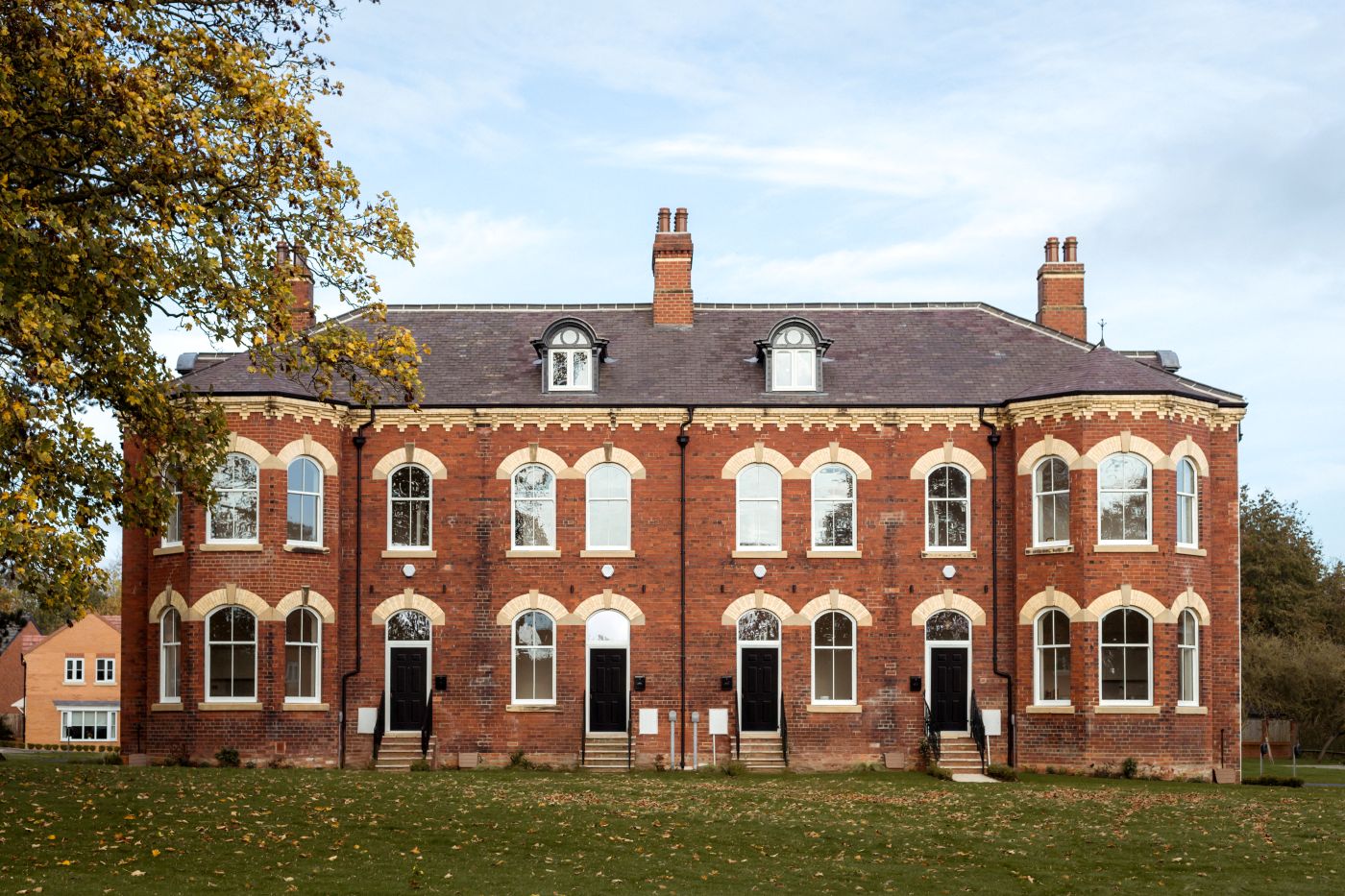
Walk down many of Surrey’s older residential roads and the houses tell a quiet story through their windows. The tall, slender sashes of a Victorian villa, the broader proportions of an Edwardian semi, the way light catches each finish a little differently. These details give a street its rhythm. Most never notice them, until one house gets it wrong.
That’s the risk every owner of a period or character home eventually faces. Old frames rot, draughts find their way in, and single glazing often does little for comfort or heating bills. Replacing the windows feels like a simple decision. Getting it right is anything but.
Windows do more than you think
A window is rarely just a window. It frames the building’s features, sets the proportions of a room, and shapes a home’s character more than almost any other external feature. Change one carelessly and the whole house can look subtly off, even if you struggle to say exactly why.
For older Surrey homes, the stakes are higher. Period properties were designed around particular window styles, and those styles carry the architectural logic of their era. Swap them for something less authentic, like smooth white casements, and you lose not only charm but a slice of the home’s identity, and often its value.
Match the age and proportions first
Before thinking about materials or colours, study what is already there. The size, shape and placement of the original windows would have been chosen deliberately. Victorian and Edwardian houses generally used sliding sash windows, with their distinctive vertical movement and elegant proportions.
The finer points matter enormously. Sash horns, the small projections where the upper sash meets the lower, began as a structural feature and became a hallmark of the period. A slim midrail and a deep bottom rail give a sash visual weight authentic to traditional timber. Lose those proportions and a modern replacement can look clumsy, however well it is built.
Timber, uPVC and the question of authenticity
Sash windows were traditionally timber, and for listed buildings or strict conservation areas timber may still be expected. It is beautiful, though it asks for regular painting and upkeep.
Modern uPVC has moved a long way from the bulky frames of twenty years ago. The better designs now use mechanical joints rather than welded corners to recreate the crisp, square look of traditional joinery, alongside slim sightlines and astragal bars that echo period glazing. The result can sit comfortably on a character home while demanding far less maintenance. Quickslide, a Yorkshire-based specialist in uPVC sliding sash window manufacturing, is one example of a company building these heritage details into modern frames. For homeowners weighing the options, it is worth seeing how today’s heritage-style uPVC sash windows handle these finer points before committing.
The small details that read from the street
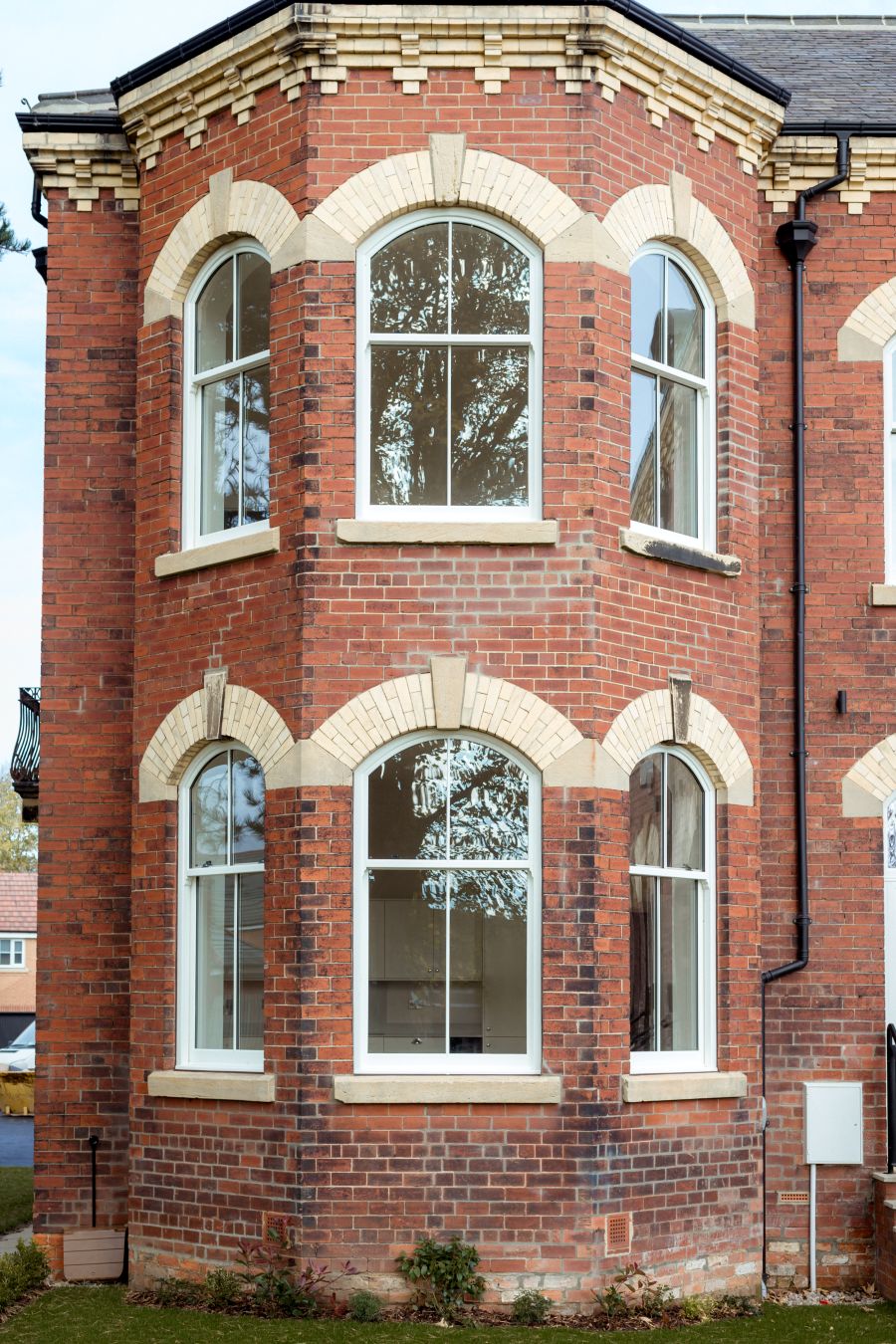
Authenticity lives in the details. The right heritage-style hardware, from traditional pull lifts to period-inspired locks, helps maintain an authentic appearance from the inside. Meanwhile, carefully considered glazing bars and frame proportions work together to recreate the character of traditional timber sash windows, keeping the heritage aesthetic appeal convincing both inside and out.
This is also where practicality meets appearance. A tilt facility, for example, lets you clean both sides of an upstairs window from inside, a real relief in a tall townhouse, without changing how the window looks from the pavement.
Comfort, security and the things you don’t see
Comfort is often the reason people update period windows in the first place. Double glazing and improved thermal performance make older rooms warmer and noticeably quieter, and they ease the cost of heating draughty spaces. Modern locking mechanisms add a level of security that original frames never offered.
None of this needs to be visible. The best upgrades deliver the warmth and safety of a contemporary window without taking away traditional styling.
Colour and finish: one decision among many
While colour tends to grab attention first, it’s a choice best made once the finer details have been decided. A finish only works in the context of everything else: the proportions, the glazing, the hardware. Softer, heritage-inspired tones usually flatter an older home far more than a stark brilliant white. Quickslide recently added Chalk White to its uPVC sash range, a textured matt off-white finish that suits the muted palette of many period properties. It is one example of how modern finishes are becoming more sympathetic to character homes, rather than the right answer for every house.
Check the rules before you commit
If your home sits in a conservation area, or is listed, planning rules may govern what you can change, and Weybridge has several such pockets. A short conversation with your local council’s planning team before ordering anything can save real expense and frustration later. Many manufacturers have seen success with uPVC, so it’s worth a conversation with your chosen supplier to see what support they can offer.
Getting it right pays off
Handled thoughtfully, new windows make an older home warmer, quieter and easier to live in while protecting its kerb appeal and long-term value. The difference between a good job and a disappointing one nearly always comes down to the small decisions about proportions, glazing, hardware and finish, made carefully before the first frame is ordered.