
Home Heating and Plumbing Tips for Surrey Homeowners
Few household problems ruin a week faster than a cold radiator in January or a leak under the stairs. Heating and plumbing are easy to ignore right up until they fail, and they tend to fail at the worst possible moment.
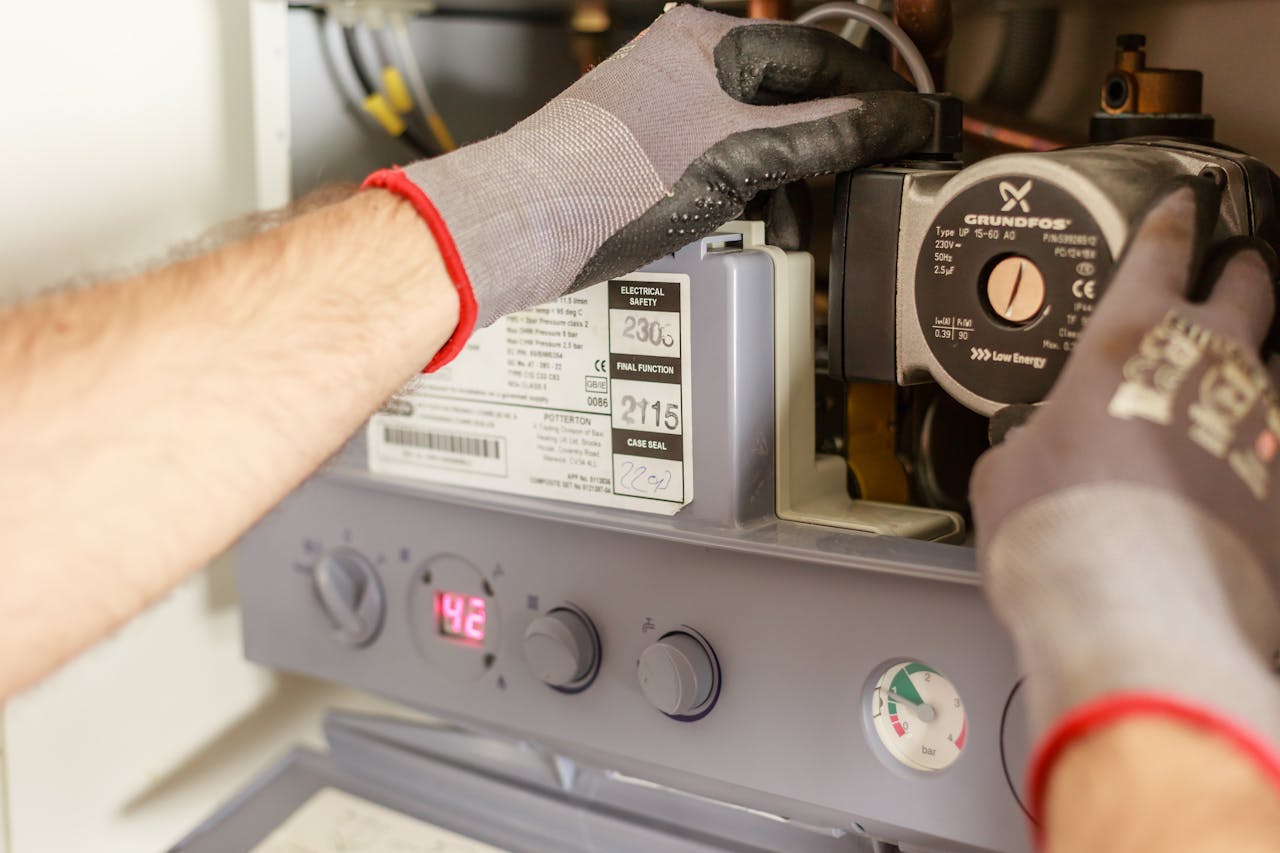
Photo by Heiko Ruth on Pexels
A little seasonal care prevents most of it. Many Surrey homes also lean on a trusted local team, and London-based Homecure Plumbers, serving the area since 2009, handles emergency callouts, boiler work, and installations. This guide covers what homeowners can do themselves and when to call a professional.
Why Does Home Heating Need a Check Before Winter?
A heating system that sat idle all summer can hide faults that only show up on the first cold night. A pre-winter check catches them while a plumber still has time to fix them calmly. Leaving it until December often means a long wait and a cold house.
The basics are simple. Bleed the radiators to clear trapped air, check the boiler pressure sits around 1 to 1.5 bar, and listen for any odd banging or gurgling. An efficient, well-maintained system also trims the heating bill, which matters while energy costs stay high.
An annual boiler service is the single best habit. A registered engineer spots wear early, and the service keeps most manufacturer warranties valid. When a boiler finally reaches the end of its life, government grants through the Boiler Upgrade Scheme can offset a low-carbon replacement.
What Are the Most Common Household Plumbing Problems?
A handful of issues account for most call-outs.
- Dripping taps, which waste water and worsen if ignored.
- Blocked drains, usually from grease, hair, or wipes.
- Low boiler pressure, leaving radiators cold at the top.
- Running or leaking toilets, quietly wasting litres a day.
- Limescale build-up, a real issue in Surrey’s hard-water areas.
- Radiators cold at the bottom, a sign of sludge in the system.
Most start small. Catching them early is the difference between a quick fix and a flooded floor. Even a smart kitchen layout means little if the plumbing behind it is neglected.
When Should You Call an Emergency Plumber?
Some problems can wait for a booked appointment, and some cannot. A burst pipe, a major leak, or no heating in freezing weather all count as emergencies. So does the smell of gas, which means leaving the house and calling the emergency line at once.
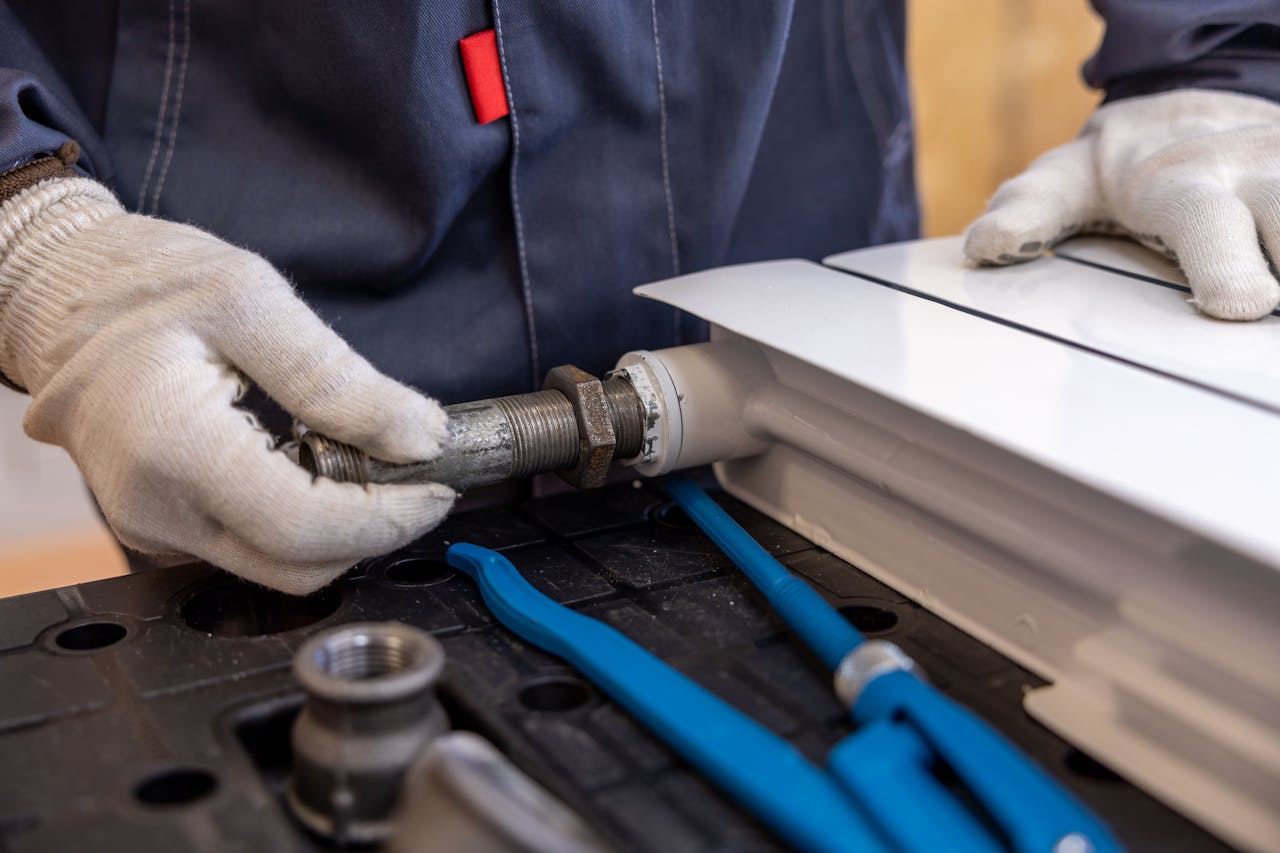
Photo by Sergei Starostin on Pexels
The first move with a serious leak is to find the stopcock and turn off the mains water. Knowing where that valve sits, before anything goes wrong, saves precious minutes.
Gas work is never a do-it-yourself job. Every home with a gas appliance needs working carbon monoxide alarms, and the regulations set out where they belong. For anything involving gas, always use a registered engineer.
What Should Homeowners Check Each Year?
A short annual routine keeps most problems away.
- Book a boiler service with a registered heating engineer.
- Bleed the radiators before the heating season starts.
- Check the boiler pressure and top it up if it is low.
- Test taps and seals for early drips and damp patches.
- Clear slow drains before they block completely.
- Locate the stopcock so everyone knows where it is.
Good downstairs design counts for little if the heating behind it cannot keep every room warm.
A Quick Home-Maintenance Checklist
A short pass covers the essentials before the cold sets in.
- Service the boiler once a year, every year
- Keep boiler pressure around 1 to 1.5 bar
- Bleed radiators and check for cold spots
- Fix dripping taps and running toilets early
- Know where the stopcock is and how to use it
- Save a trusted plumber’s number before you need it
Why a Little Upkeep Beats an Emergency Call
A small amount of maintenance almost always costs less than a crisis. A serviced boiler rarely dies in a cold snap, and a tap fixed early never becomes a flooded kitchen. The cheapest plumbing is the kind you never have to think about.
Three numbers make the point. A boiler should be serviced once a year. System pressure usually wants to sit between 1 and 1.5 bar. And a single burst pipe can release hundreds of litres before the mains are shut off. Build the yearly habits, learn where the stopcock is, and keep a reliable local plumber’s number to hand for the days when something still goes wrong.
Frequently Asked Questions
How Often Should a Boiler Be Serviced?
Once a year is the standard advice, ideally in early autumn before heavy use begins. An annual service by a registered engineer catches wear early, keeps the system efficient, and is usually required to keep the manufacturer’s warranty valid. It is one of the cheapest ways to avoid a midwinter breakdown.
What Counts as a Plumbing Emergency?
A burst pipe, a major uncontrolled leak, no heating or hot water in freezing weather, or any smell of gas all count. With a gas smell, leave the property and call the emergency line straight away. For a serious leak, turn off the mains at the stopcock first, then call a plumber.
Why Are My Radiators Cold at the Top?
Cold at the top usually means trapped air, which you can release by bleeding the radiator with a key. Cold at the bottom is different and often points to sludge in the system, which needs a professional flush. If bleeding does not help, it is worth booking an engineer to check the wider system.
Can I Fix Plumbing Problems Myself?
Minor jobs like bleeding radiators, clearing a slow drain, or changing a tap washer are fine for a confident homeowner. Anything involving gas, the boiler’s inner workings, or major pipework should go to a registered professional. When in doubt, a quick call to a plumber is cheaper than undoing a mistake later.