
What to Consider Before Starting a Bathroom Renovation Project
A bathroom renovation is one of the most impactful home improvements you can undertake. It can increase property value, improve daily comfort and completely transform the feel of your home. However, unlike smaller cosmetic updates, a bathroom remodel involves multiple elements — from plumbing and layout to materials and installation. Taking the time to plan properly before starting can save both time and money, while helping you avoid common mistakes that often arise during renovation projects.
Understanding Your Needs and Priorities
Before focusing on design choices, it’s essential to define how the bathroom will be used. A family bathroom will require durability, storage and easy maintenance, while an en-suite may prioritise comfort and aesthetics. Thinking about daily routines can help determine what matters most — whether it’s additional storage, a walk-in shower or improved lighting.
It’s also important to consider who will be using the space in the future. Planning ahead for long-term needs, such as accessibility or ease of cleaning, can prevent the need for further renovations down the line. A clear understanding of your priorities creates a strong foundation for every decision that follows.
Setting a Realistic Budget and Timeline
One of the most common challenges in bathroom renovations is underestimating costs. Beyond fixtures and tiles, there are often hidden expenses such as plumbing adjustments, waterproofing or structural work. Setting a realistic budget early allows you to allocate funds appropriately and avoid unexpected financial pressure.
Time is another critical factor. Even relatively straightforward renovations can take longer than expected due to material availability, scheduling or unforeseen issues behind walls or under flooring. Planning for flexibility helps reduce stress and keeps the project on track. It’s always better to allow extra time rather than rush important stages of the process.
Choosing the Right Layout and Materials
The layout plays a central role in how functional and comfortable the finished bathroom will be. Keeping existing plumbing positions can help reduce costs, but sometimes a redesigned layout significantly improves usability. Small changes, such as repositioning a sink or choosing a wall-mounted toilet, can create a more open and practical space.
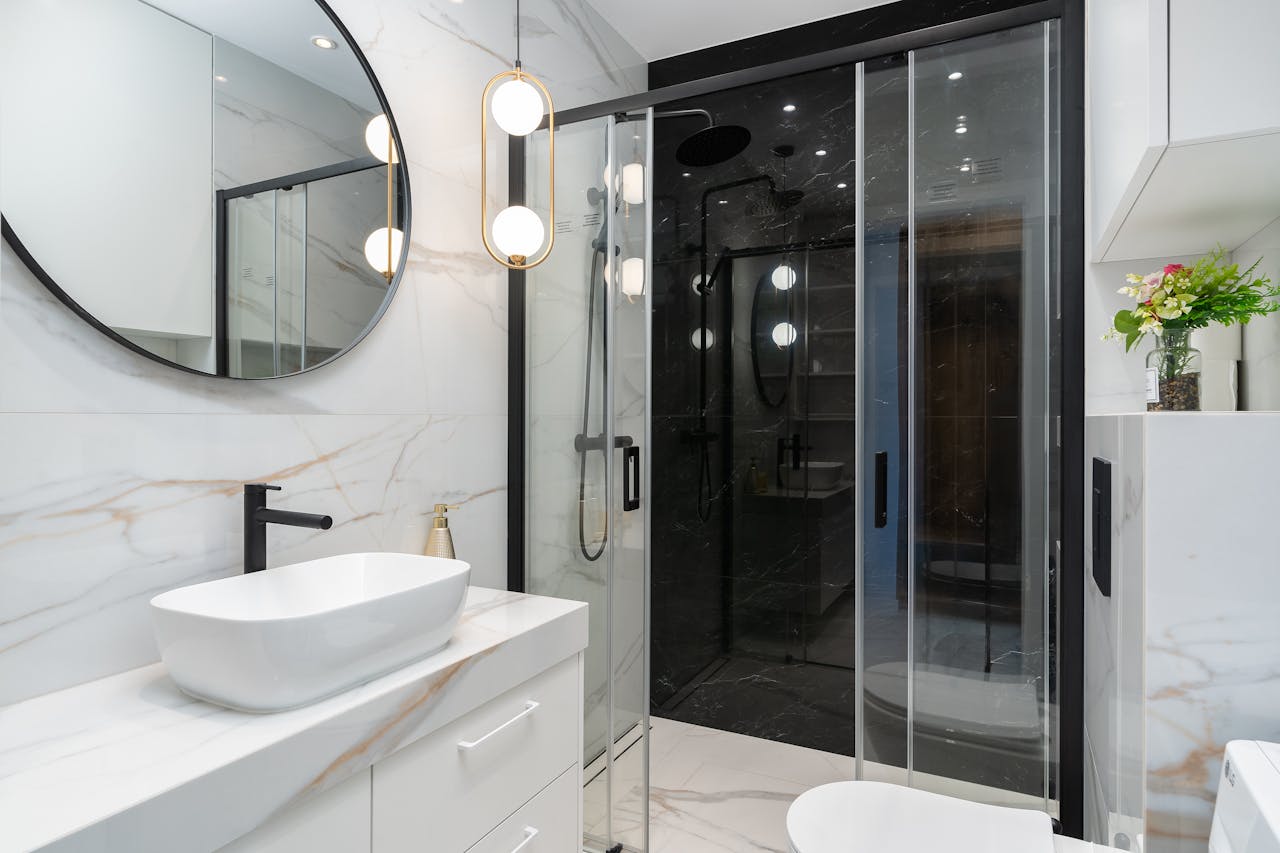
Material selection is equally important. Bathrooms are exposed to moisture and temperature changes, so durability should be a priority. Porcelain tiles, moisture-resistant paints and high-quality fixtures offer long-term reliability. Choosing finishes that are easy to clean can also make everyday maintenance much simpler.
For those exploring layout options or design inspiration, looking at real project examples — such as those presented by bathrooms Aberdeen — can help visualise how different solutions work in practice.
Planning Installation and Avoiding Common Mistakes
A well-designed bathroom still depends on proper installation. Waterproofing, sealing and precise fitting are essential to prevent long-term issues such as leaks or mould. Poor installation can quickly undermine even the best materials and design ideas.
It’s also important to avoid rushing decisions during the renovation process. Changing plans mid-project often leads to delays and increased costs. Having a clear plan from the beginning, including layout, materials and fittings, ensures that the project runs smoothly and efficiently.
Ventilation is another factor that is often overlooked. Without proper airflow, moisture can build up, affecting both comfort and the longevity of materials. Ensuring adequate ventilation helps maintain a fresh and healthy environment in the long term.
Creating a Bathroom That Works for Years to Come
A successful bathroom renovation is not just about achieving a modern look — it’s about creating a space that remains functional and comfortable over time. By carefully considering your needs, setting a realistic budget, choosing the right materials and planning installation properly, you can avoid common pitfalls and achieve lasting results.
Thoughtful preparation turns a potentially stressful renovation into a smooth and rewarding process. With the right approach, your new bathroom can become a space that supports everyday living while adding long-term value to your home.