
Do Energy-Efficient Radiators Really Add Value to Your House?
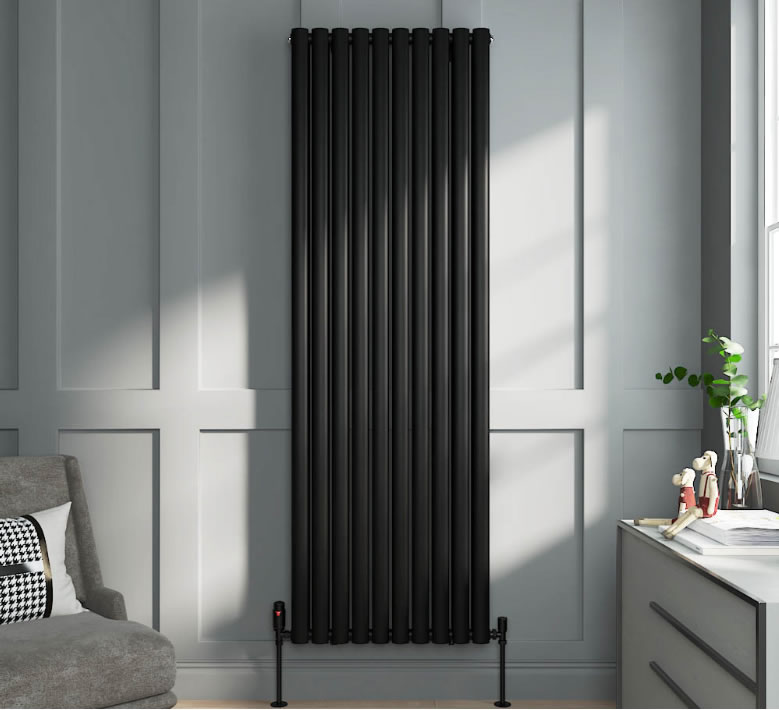
Today’s home buyers in the UK consider factors much wider than simply the number of bedrooms or how big the garden is. They’re also looking at what utility bills will be like and what the home’s carbon footprint is. With energy prices being a key concern for many households, an efficient heating system has become a significant selling point. It’s understandable, because it can cut bills and lessen environmental impact.
For many homeowners, there comes a time to decide whether or not to buy a new radiator. Bottom line: Do the newer, more energy-efficient heating systems actually save you money when you sell your home?
What Defines an Energy-Efficient Radiator?
We agree with you that old heaters are a pain in the backside too! They were often enormous and incredibly heavy and would take an age to heat up, and you would be required to pour a whole bucket of water into them in order to warm a single room. Thankfully, times have changed, and we now have some fantastic modern heaters that have been purpose-designed and engineered with the very latest technology to give you a much better heating experience.
- Low Water Content Designs: These designs use a lot less water, which results in a quicker rise in temperature and less energy being required from the boiler.
- Electric Precision: electric radiators have evolved to a new level of technology, with few components and minimal maintenance, providing constant heat without the need for a network of radiators and heating pipes. Generally, today’s heaters are based on dry core technology or on the use of fluids.
- Smart Integration: The fact that many new air conditioning units are now equipped with built-in thermostats and can work with a wide range of smart home hubs means that smart integration is a real possibility. With smart integration, it becomes easy to control the temperature in each room individually.
New generation systems use the heat in the system in a more efficient way so that as much as possible of the money you pay for gas and electricity is actually used to heat your home. These systems are designed to heat the home in the most efficient way possible, while at the same time eliminating heat loss.
How Property Value is Measured
There is far more to valuation than bricks and mortar. Valuers, and those purchasing property, consider many factors such as ease of inhabitation, running costs and overall quality of living experience. When valuing or buying or selling, we spend a lot of time thinking about the costs involved in providing a warm home, for instance. A newly refurbished kitchen may grab our attention, but a dated and noisy heating system could highlight expensive and potentially needed works, as well as headaches to come.
Several homes currently come onto the market, in a relatively easy-to-buy condition, with work required to varying degrees. Generally speaking, a well-renovated home with a modern, efficient heating system achieves a far higher sales price than a home which would require a significant amount of work in order to realise its full potential. A modern, efficient heating system, therefore, can make a significant marginal price difference in a property, to the benefit of vendors and purchasers alike, in that it can simplify what can already be a very stressful transaction, by reducing to the minimum the time and disruption for any new homeowner, to get comfortably settled into their new home.
4 Key Ways These Upgrades Boost Your Home
1. Improved EPC Ratings
When you’re selling or renting a home, you need to have something called an Energy Performance Certificate, or EPC for short. It’s like a report card for your home’s energy efficiency. If you can get a better rating, like moving from a D to a C, it can make your property a lot more appealing to potential buyers or renters.
For landlords, it’s really important to stay on top of the minimum energy standards so you can keep renting out your property without any issues.
2. Lower Running Costs
When you show buyers that your house is affordable to maintain, they’re more likely to agree to your price. It’s a great way to negotiate, as it helps them see that their monthly expenses will be lower.
3. Modern Aesthetic Appeal
Old heaters can be some of the ugliest pieces of equipment you can imagine. With the release of our new range of slimline and designer heaters, you are now able to transform your old, unsightly heater into a work of art.
By relocating your heater to the ceiling, you are not only making the most of your precious wall space, but you are also transforming the aesthetic of the room. At Designair, we understand how important it is to maintain a modern-looking home and to achieve the highest standards of interior design.
4. Marketability and Speed of Sale
It is important to be grounded. Replacing a single heater is unlikely to add £10,000 to your house price. Unlike a loft conversion or a conservatory, heating upgrades offer an indirect return on investment (ROI).
The value manifests in the lack of “price chipping” (where buyers try to knock money off the price due to repairs needed) and the overall desirability of the home. Think of it as protecting your home’s value rather than just inflating it.
Realistic Expectations: Will You Get a 100% Return?
It is important to be grounded. Replacing a single heater is unlikely to add £10,000 to your house price. Unlike a loft conversion or a conservatory, heating upgrades offer an indirect return on investment (ROI).
The value of a home is really about keeping its worth from going down, rather than just trying to make it seem more expensive. It’s like shielding your home’s value from things that might decrease it, like when buyers try to negotiate a lower price because of repairs that are needed. This way, your home stays desirable and valuable.
When Does the Upgrade Make the Most Sense?
Not every home needs a total overhaul. However, you will see the biggest impact in the following scenarios:
- Period Properties: If you live in an Edwardian or Victorian house with old, original, inefficient systems, the leap in comfort and efficiency will be enormous.
- Rental Investments: Upgrades are often a necessity, not just something nice to have, to meet modern regulations and keep tenants happy.
- Renovation Projects: When you’re already tearing up the floors or painting and decorating, it’s the most cost-effective time to replace old units.
Tips Before You Invest
Before you rush out to buy the sleekest models on the market, consider these steps:
- Check Your Insulation: New heating units won’t help much if the heat is escaping through the roof or single-glazed windows.
- Size Matters: Ensure each unit is correctly sized (BTU rating) for the room it is intended to heat.
- Consistency is key: Having a mix of ultra-modern and ancient heaters looks disjointed. Aim for a consistent style throughout the property.
A Whole-Home Strategy
Radiators are a crucial part of the system, but they really come into their own when used as part of a bigger plan. When you compare them to other ways to upgrade your home, they can be a better investment than double glazing in certain situations; however, to get the most out of them, it’s best to use them with smart controls and a boiler that’s been properly serviced. This way, you can make sure your home is warm and comfortable while also keeping your energy bills under control.
Having a warm and stylish home that doesn’t break the bank is a top priority for many people, especially those looking to buy a new place. Energy-efficient radiators can really make a difference in this regard, providing a comfortable and cosy living space while keeping costs low. For modern homebuyers, this combination of warmth, style, and affordability is a major selling point, making it well worth the investment.