
Digital Entertainment Trends Gaining Popularity in Weybridge
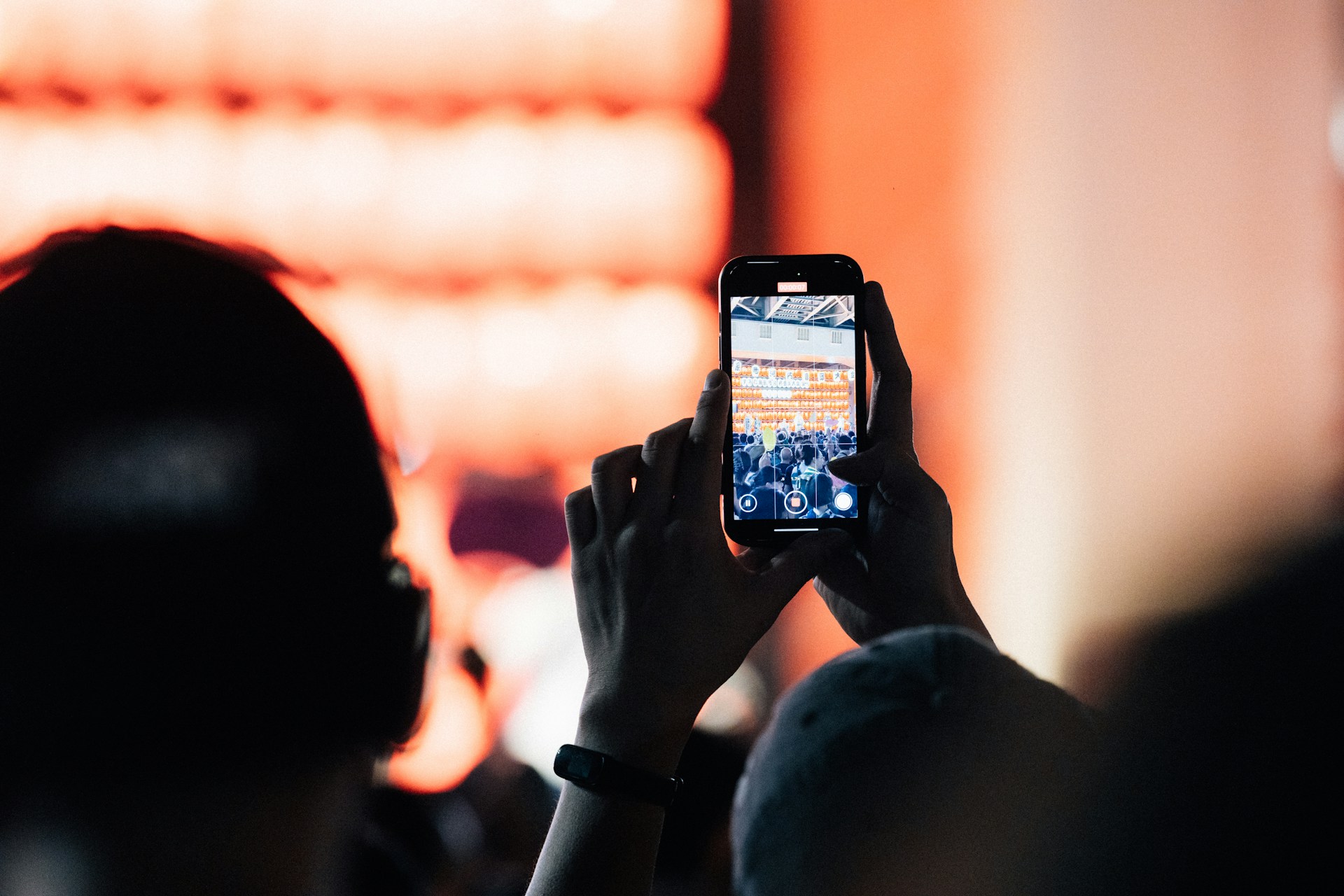
Photo by Tsuyoshi Kozu on Unsplash
Digital entertainment in Weybridge increasingly arrives through a phone screen, a smart TV menu, or a pair of earbuds. The shift mirrors national habits, but the town’s commuter tempo and family schedules make the change easy to recognise. Routines that once revolved around fixed times now flex around apps, subscriptions, and notifications.
Elmbridge, the borough that includes Weybridge, puts its population at about 140,500 on its own public statistics page. Within that local ecosystem, the entertainment mix is being reshaped by faster connections, platform-led discovery, and the way streaming, social video, gaming, and regulated leisure products such as new online UK casino sites compete for the same slices of attention… Let’s explore.
Commuter Windows and Audio First Habits
Weybridge Station’s rail link to London Waterloo keeps dead time in motion, and that time is increasingly filled with audio. Podcasts, streamed radio, and music services fit journeys and short walks, with content designed for interruptions.
Ofcom’s July 2025 research on adult media habits said 93% of UK adults listen to some form of audio each week, and highlighted YouTube and Spotify as leading online audio services. In commuter towns, that pattern often looks like a queue of saved episodes and playlists, queued up before the first train.
“More than nine in ten UK adults (93%) listen to some form of audio content each week.”
Messaging apps and group chats act as an informal programme guide. Links to clips, ticket pages, and live streams travel through neighbourhood circles faster than any formal listing, and the recommendation arrives with a name attached, which can matter more than a trending chart.
Streaming and Catch Up, With Television Habits Splitting
On-demand viewing has become the default for many households, even as subscription choices fragment. Broadcaster catch-up, and global streamers sit side by side, and switching between them is often less about brand loyalty than about who in the house has time, and what the algorithm puts forward.
In its Media Nations 2025 UK report, Ofcom said average time spent watching broadcaster video on demand reached 25 minutes per person per day, for the first time above recorded playback of live channels at 23 minutes. The statistic is narrow, but it reflects a broader reality: the schedule still matters, but less than it used to.
“Average time spent watching broadcaster video on demand reached 25 minutes per person per day.”
In Weybridge, the split can also be geographic; part home viewing, part viewing that continues on a phone. A series starts on a television set, then follows someone to the train, where the same platform resumes, compressed into shorter bursts.
Gaming Moves Into the Living Room Conversation
Gaming is harder to treat as a niche pastime when it appears across phones, consoles, and social feeds. Casual titles and cross-platform games sit alongside blockbuster releases, and the boundary between playing and watching has blurred as streams and clips pull game culture into the wider entertainment cycle.
Ofcom’s Media Nations reporting places gaming in the same weekly rhythm charts as YouTube and social media, with peak moments that line up with evenings. In practice, that can look like household parallel play: one person gaming while another watches, both in the same room but in different worlds.
Online Gambling, Visibility, and the Regulated Edge of Leisure
Remote gambling has grown into one of the most contested corners of digital leisure in Great Britain, visible through advertising, sports sponsorship, and app-based product design. It sits alongside games and streaming, but carries a different set of rules and risks.
The Gambling Commission’s annual industry statistics for April 2024 to March 2025 put total customer-facing gross gambling yield at £16.8 billion for Great Britain, or £12.6 billion excluding lotteries. Discussion of those figures often folds into questions about online casino play, consumer protection, and what happens when entertainment is built around rapid, repeated decisions.
In everyday terms, the market also shows up through constant product churn and promotional cycles, competing for attention in the same digital spaces as games, sports clips, and streaming trailers.
Experience Led Nights Out, Now Wrapped in Apps and Simulators
Even in a town where staying in can be the simplest option, out-of-home entertainment has not disappeared; it has gained a digital layer. Brooklands Museum, on Brooklands Drive, markets simulator-based aviation experiences and event programming through online listings and social channels, turning heritage into something that can be booked like a ticketed show.
“Behind the scenes tours, brand new for 2026.”
On its own site, Brooklands has promoted behind-the-scenes tours as brand new for 2026, language that reflects a wider shift in the sector. Venues increasingly sell a defined, scheduled experience, and the first contact point is often a phone screen rather than a leaflet rack.
The Short Video Loop and the Bandwidth Underneath It
Short-form video has become a default background medium; a stream of clips that mixes global entertainment with hyperlocal moments. Reporting tied to Ofcom’s data has put UK adult viewing of YouTube at about 51 minutes a day on smartphones, tablets, and PCs, a reminder that one platform can host both quick clips and long viewing sessions.
The infrastructure story runs underneath. Ofcom’s Nations Report 2025 said full fibre availability in England reached 79% of residential premises, with gigabit capable coverage at 88%. Those numbers help explain why households can run several streams at once and why newer formats, from cloud gaming experiments to higher-fidelity VR content, keep returning to the conversation.
Final Thoughts…
Overall, the trends visible in Weybridge look less like a single next big thing and more like a stack of overlapping habits. Audio fills commuter gaps, streaming breaks away from the old schedule, gaming and creator culture blend into everyday talk, and short video becomes the default scroll.
The local picture also carries the national tension lines, platform power, subscription fatigue, and a sharper debate around products like remote gambling that sit on the edge of entertainment and harm. What changes will likely occur next will likely be measured in small shifts and in what people keep reaching for without thinking.