
What to Consider When Designing Branded Workwear
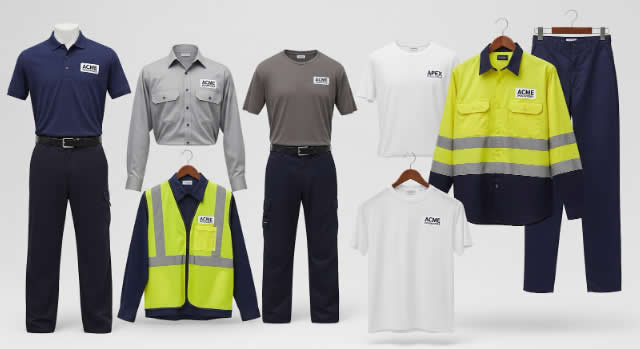
In day-to-day operations, branded workwear has a subtle but significant impact. Before a word is spoken, clothing choices affect perception, influencing how partners, clients, and the general public respond. In addition to fostering comfort, self-assurance, and unity among employees, a well-designed uniform fosters a feeling of common purpose.
In order to ensure that clothing reflects company values while being functional for actual working conditions, design selections should strike a balance between appearance and function. Workwear becomes an extension of identity rather than just a necessity when components like colour, placement, and fit are all in harmony.
Understanding Brand Identity Before Design Begins
Any successful workwear project begins with a clear vision of the character of a brand. The company culture, target audience and visual tone affect design choices. An example of this is that a construction company would project a sense of reliability and transparency, but a hospitality brand can be more focused on friendliness and accessibility.
The reason why many organisations choose items such as embroidered work polo shirts is that they are neither too smart nor too casual and therefore are able to be used across different functions. The decision made should also consider brand personality in terms of colour, fabric texture and detailing instead of just the presence of logos.
Logo Placement and Visual Balance
Graphic design involves both discipline and innovation. If a brand is positioned too boldly, it may overpower the garment; if it is put subtly, it may be less recognisable. Chest areas are still popular due to their visibility during conversations, however sleeve or upper back positioning can create balance without dominating the design.
Proportion is really important. While smaller logos typically perform better on lighter clothing, larger logos are appropriate for outerwear when distant viewing is important. It is possible to avoid distortion or awkward spacing once clothing is worn by testing prototypes in various sizes.
Colour Contrast and Readability
Both legibility and emotional reaction are influenced by colour choice. A strong contrast between the fabric and the logo guarantees visibility in a variety of lighting conditions. Particularly when viewed from a distance, pale images on light clothing or dark tones on deep colours frequently struggle to stand out.
Colour schemes should be consistent with brand recognition in addition to readability. Although modifications might be required to preserve clarity, using corporate shades strengthens familiarity. Without changing the colours of the trademark, contrast stitching, borders, or textured embroidery can improve definition.
Choosing Materials That Support Daily Use
Over time, the choice of fabric has an impact on appearance, comfort, and durability. While heavier textiles could be more suitable for colder climates, breathable materials are better suited for active roles. When clothing is frequently washed or exposed to damp and grime, durability becomes crucial.
The appearance of branding is also influenced by texture. While textured textiles may reduce detail, smooth surfaces highlight embroidery. Logos stay visible even after repeated use when the type of material and branding technique are matched.
Sizing That Reflects Inclusivity and Professionalism
A large size range promotes confidence and comfort in a variety of teams. Movement and appearance are impacted by poor fit, which frequently makes people reluctant to wear branded clothing. The appearance is enhanced when there are several cuts available instead of just one unisex option.
Sample fittings and accurate sizing charts lower returns and frustration. When employees are at ease, clothing is worn appropriately and regularly, increasing brand awareness throughout the workday.
Consistency Across Roles and Garment Types
Even when various items are needed, visual uniformity improves recognition. The colour schemes, logo scale, and positioning rationale of jackets, shirts, and accessories should all be similar. This method permits flexibility without causing identity to become fragmented.
Subtle colour changes or secondary markings can still be used to convey hierarchy or role differences. Such distinction preserves organisational structure while preserving unity.
Long Term Practicality and Maintenance
Ongoing care should be considered in design decisions. Although thread quality is a factor, embroidery often withstands washing better than printed alternatives. Over time, colourfast materials maintain a polished appearance by preventing fading.
Planning for replacements is also important. Choosing popular clothing styles guarantees that modifications will blend in with current uniforms months or years later. Careful planning preserves investment while maintaining a consistent brand image.
Effective branded workwear isn’t just decorative; it’s the result of deliberate decisions. Every choice, from fabric selection to positioning, affects how the brand is perceived on a regular basis. Workwear helps people and perception in a natural, long-lasting way when comfort, clarity, and identity are in harmony.