
7 Simple Daily Habits to Keep Your Dog Happy and Healthy
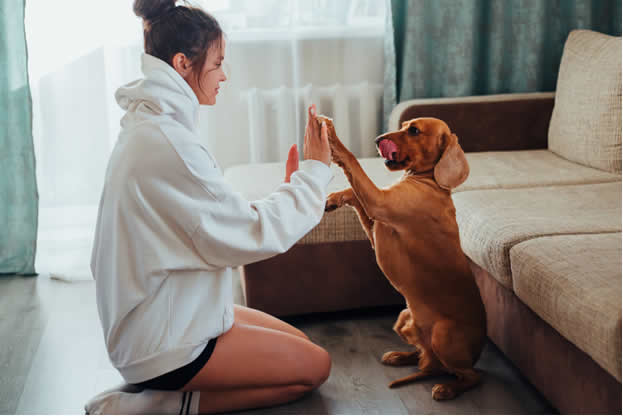
A happy dog doesn’t need an endless supply of toys or a packed calendar. Most dogs thrive when the basics happen reliably. A good walk, nourishing meals, time to sniff and play, and a comfortable place to unwind.
For dog owners in Weybridge, even an ordinary day offers chances to get these things right. A stroll beside the River Wey or a few minutes of play at home can make a difference. Here are seven healthy dog habits worth adding to your daily dog care routine, without turning pet ownership into another full-time job.
1. Take a Walk That Suits Your Dog
A daily outing gives your dog exercise and a chance to explore the world through scent. Rather than marching the same route at the same pace, allow time for sniffing where it’s safe. You could take a quieter street one day and enjoy a riverside path another, keeping your dog on a lead wherever signs or conditions require it.
The right amount of activity depends on your dog’s age, breed, fitness and health. A lively adult may enjoy longer outings, while a puppy, senior dog or one recovering from an injury may need shorter sessions. Watch for lagging, heavy panting, or reluctance to continue, and adjust accordingly. A garden is useful for play, but it doesn’t replace a walk with new sights and smells.
2. Give Their Brain a Challenge
Dogs need things to think about, not just places to walk. Mental stimulation can be as simple as scattering part of their usual kibble across a snuffle mat or asking them to find a toy you’ve hidden in another room. Keep the game easy at first, then make it harder as your dog learns.
You can also practise a familiar cue, such as “sit”, “wait” or “come”, for a few minutes using rewards and praise. Short, enjoyable sessions are easier to fit around family commitments than long lessons. Supervise toys your dog might chew apart, and stop if they seem frustrated. The aim is fun, not a test.
3. Serve Balanced Food at Predictable Times
Feeding at roughly the same times each day makes it easier to spot changes in appetite. Choose a complete food appropriate for your dog’s life stage and follow feeding guidance as a starting point, adjusting portions with your vet if their weight changes. Measure meals instead of guessing, and remember that training treats count towards the day’s food.
If you change recipes, introduce the new food gradually rather than swapping everything overnight. Some dogs get an upset stomach after sudden changes. If you’re considering daily digestive support for dogs alongside a balanced diet, try Pup Labs today. Ask your vet whether a supplement is appropriate, particularly if your dog takes medication or has ongoing digestive symptoms. Supplements should never replace suitable food or veterinary care.
4. Make Fresh Water Easy to Find
Clean drinking water should always be available, including when you’re away from home. Refill the bowl daily, wash it regularly, and check it more often during warm weather or after an energetic walk.
If you have a garden, keep a second bowl outside while your dog is using it. On longer walks, carry water and a portable bowl rather than relying on puddles or streams. Dogs may drink more when they eat dry food or exercise.
Learn what’s normal for your pet. A sudden, unexplained increase or decrease in drinking can signal a health problem, so contact your vet rather than assuming it’s harmless.
5. Turn Grooming Into a Brief Daily Check-In
You don’t need to bathe your dog every day. A quick brush, however, can remove loose hair and show you where their coat needs attention. Long-haired dogs may need more frequent detangling than short-haired breeds.
While you groom, check for ticks, sore patches, new lumps, and anything caught between their paw pads. After a muddy Weybridge walk, wipe their paws and dry them, especially between the toes.
Make handling pleasant with gentle strokes and small rewards. If your dog dislikes being brushed, start with a few seconds and build up slowly. Include toothbrushing with dog-safe toothpaste where possible, and ask your vet how to introduce it if your dog is reluctant.
6. Check How Your Dog Looks and Behaves
Take a moment each day to notice their appetite, energy, movement, and toileting habits. Glance at their eyes, ears, teeth and skin during grooming. You don’t need to examine every inch, but knowing their usual behaviour makes changes easier to recognise.
Contact your vet if you spot persistent vomiting or diarrhoea, limping, unusual swelling, or a marked change in thirst, appetite or mood. Don’t wait for a routine appointment if something worries you. Keep vaccinations, parasite prevention and professional check-ups on the calendar too.
7. Protect Their Downtime
Dogs need uninterrupted sleep and a quiet place to retreat. Put their bed somewhere comfortable, away from busy doorways, and let them choose when to rest. Teach children not to disturb a sleeping dog.
An evening routine can be simple: a final toilet break, a little calm company, and a chance to settle. Predictable days can be reassuring, especially when the household gets busy.
Small Habits, Happier Days
Keeping dogs healthy is less about doing everything perfectly and more about noticing what your individual dog needs. Regular walks, measured meals, clean water, short games, gentle grooming, and a watchful eye all contribute to a more comfortable daily life.
Start with one habit you can keep up consistently. Perhaps you’ll add a sniffing break to tomorrow’s walk or spend two minutes brushing your dog’s coat before dinner. Once that feels natural, add another. Over time, those ordinary moments can help you understand your dog better. And that close attention is one of the best things you can give them.