
What Is C-PTSD? Complete List of 17 Symptoms of Complex PTSD in Adults
C-PTSD is short for complex PTSD, and PTSD stands for Post-Traumatic Stress Disorder. This form of trauma develops when a person lives through trauma that isn’t a single event but a repeated experience.
There are many myths that surround C-PTSD, such as the stereotype that only war survivors have it or that people with C-PTSD cannot function in society. These are false, but what’s true is that complex trauma can indeed impact life because of the profound changes it does to the nervous system.
Some adults may not even realize they carry complex PTSD symptoms until years later. Because survivors adapt so well, these symptoms can become “personality traits” or “just how I am,” rather than signs of chronic overwhelm. To understand the symptoms of complex PTSD in adults, we first need to look at what C-PTSD truly is.
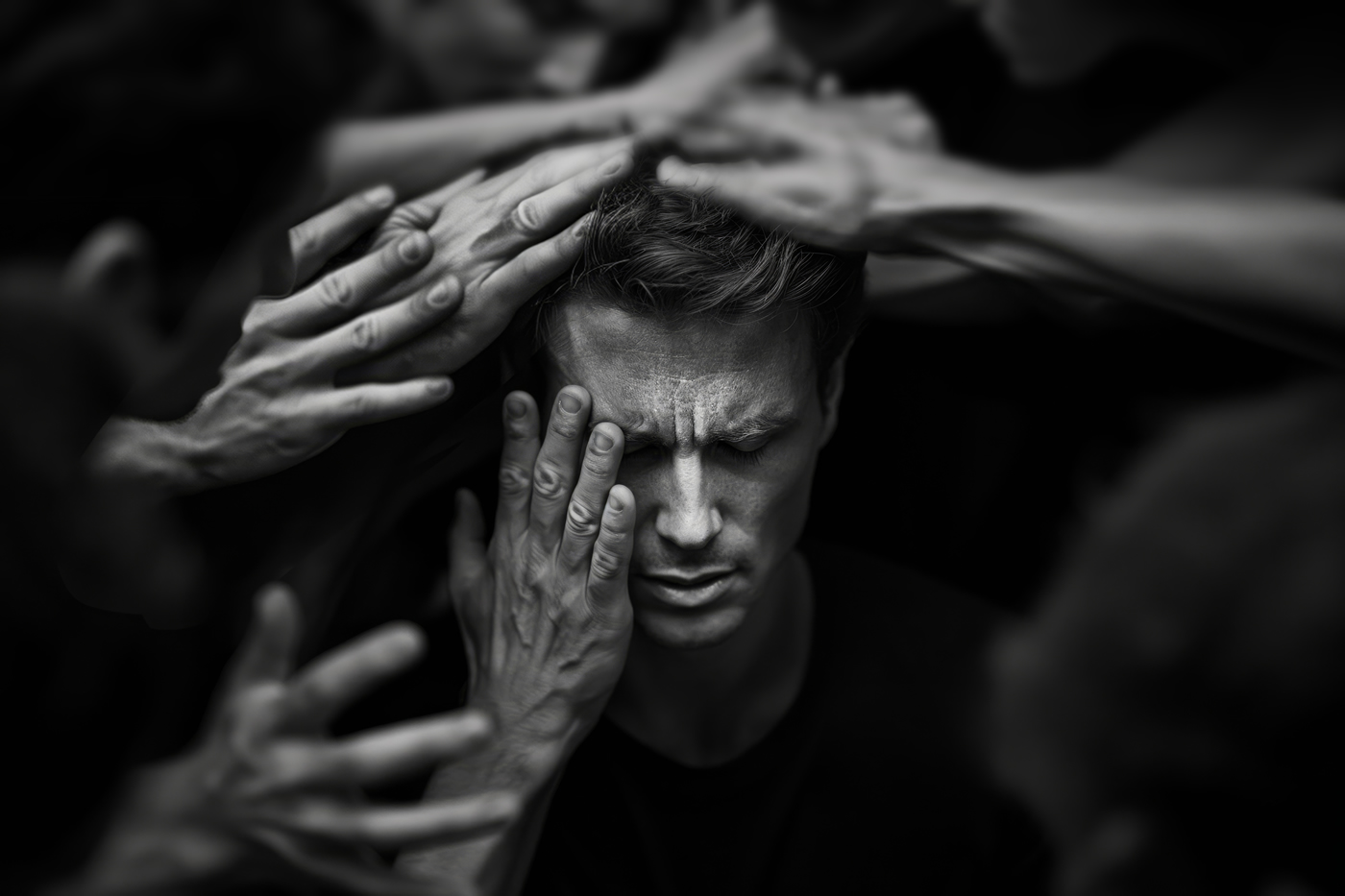
What Is Complex PTSD (C-PTSD)?
C-PTSD is a mental health condition that develops when a person lives through, experiences, or observes a disturbing event in the past, and it makes a profound impact on their world perception and even brain functioning.
C-PTSD isn’t as rare: 8.6% of the world population has it [1]. That’s almost equal to the number of people who use ChatGPT daily—10%. It’s still an underresearched condition with psychologists still exploring what are the 17 symptoms of complex PTSD to facilitate diagnosis. This may be the reason why C-PTSD isn’t in the DSM-5 diagnostic criteria yet—more research is needed.
The World Health Organization first included C-PTSD in the ICD-11 because they noticed, besides “standard” PTSD symptoms, some individuals also had impaired cognitive function, negative self-concept, inability to build relationships, etc. Brain imaging also showed that some PTSD patients have more severe functional impairment, which led to setting C-PTSD apart from PTSD [2].
How C-PTSD and PTSD Are Different?
| Feature | PTSD | C-PTSD |
| Type of trauma | Usually a single traumatic event (accident, assault, natural disaster, one-time incident). | Repeated, prolonged, or inescapable trauma — often relational (neglect, coercive control, childhood abuse, captivity). |
| Duration of exposure | Short-term or one-off traumatic event. | Long-term exposure over months or years. |
| Core symptoms | Re-experiencing, avoidance, hyperarousal. | All PTSD symptoms plus disturbances in self-organization (DSO). |
| Sense of identity | Identity usually intact. | Deep shame, chronic guilt, fragmented or unstable sense of self. |
| Relationships | May feel strained but not necessarily chronically impacted. | Persistent patterns of fear, distrust, people-pleasing, or avoidance. |
| Emotional regulation | Difficulty occurs mainly around trauma reminders. | Ongoing emotional dysregulation, even without triggers. |
| Flashbacks | More often visual or sensory. | Often emotional flashbacks — sudden waves of fear, shame, or helplessness. |
| Common misdiagnoses | Anxiety, depression. | BPD, ADHD, depression, anxiety, attachment disorders. |
| Primary injury | Nervous system shocked by a single overwhelming event. | Nervous system shaped over time into survival mode. |
What Causes Complex PTSD?
Main causes of C-PTSD:
- Prolonged or repeated childhood trauma
- Sexual abuse
- Physical abuse
- Neglect
- Emotional abuse
- Abusive relationships in adulthood
- Surviving a life-threatening situation
- War
- Natural disaster
- Slavery
- Torture
- Emotional abuse at any age
- (Observing) Domestic violence
- Parentification
- Gaslighting
- Coercion, etc.
However, not all people who have had the experiences above develop symptoms of complex PTSD as adults. Some of them may have unhealthy coping strategies or other mental health conditions. So, what are the factors that contribute to the development of C-PTSD?
- Trauma happens at an early age.
- Inability to escape traumatic circumstances (captivity, imprisonment, dysfunctional home in childhood).
- Multiple traumatic events are happening at the same time.
- Being isolated.
What Are Exterior Signs Someone May Have C-PTSD?
Complex PTSD symptoms can be masked at first, and even experienced therapists need a lot of time to recognize whether the signs are symptoms of C-PTSD or another disorder. Pay attention to these signs that might indicate someone has lived through potentially traumatic events:
- People-pleasing
- Difficulty trusting others
- Constant anxiety
- Fidgeting
- Emotional flashbacks
- Avoidance of conflict
- Constantly being angry, sad, depressed, conceited, etc.
- Difficulty receiving care or affection
- Frequent haotic or toxic relationships

17 Symptoms of Complex PTSD in Adults
Complex PTSD symptoms in adults are subjective and complex. Besides trauma and PTSD symptoms, it has its own unique signs. We divided C-PTSD’s symptoms into three categories:
- Emotional
- Behavioral
- Somatic
Each of these categories includes “standard” trauma symptoms and signs of C-PTSD that show up in adulthood.
Emotional Symptoms
1. Emotional dysregulation
Emotional dysregulation means the inability to cope with overwhelming waves of emotions, such as anger, sadness, confusion, etc., because they feel too much to handle. It’s a central symptom of C-PTSD that comes from unprocessed emotions. The tiniest trigger that reminds one of traumatic events causes a disproportionate reaction because of the changes in the brain that wired it to be more sensitive to certain stimuli.
2. “Black-and-White” Thinking
Chronic negative beliefs, especially about yourself, are very common symptoms of complex PTSD in adults. Years of invalidation, unpredictability, and negativity can teach a person a false belief that the world doesn’t actually offer anything good.
3. Hopelessness
Individuals with C-PTSD can experience a deep sense of hopelessness about their future, their capacity to recover, or the world’s safety. These feelings might overlap with depressive symptoms, which are central and predictive of other C-PTSD’s manifestations. As adults, this can look like giving up easily, expecting disappointment, or believing things won’t improve even when they can.
4. Loss of Pleasure
C-PTSD mimics depression in anhedonia, the inability to get pleasure from the things that were even enjoyable in the past. Anhedonia can also be a root of other symptoms of complex PTSD, such as numbness or hopelessness. Individuals with PTSD lose interest not because they don’t care, but because their emotional resources are constantly drained by survival.
5. Emotional Numbness
Numbness is the brain’s response to emotional overload. Feelings in flashbacks and intrusive memories can feel so strong that people with C-PTSD subconsciously block other feelings. It may look like:
- Inability to cry
- Feeling “indifferent” in moments when they “should feel something”
- Feeling emptiness inside
- Lack of self-awareness, when you not only don’t understand your emotions, but also what type of person you are.
6. Constantly Preparing for Something Bad to Happen
Hypervigilance is the sense of always waiting for something bad to happen. Since dangers and trauma were consistently present in the life of a person with C-PTSD, they developed this symptom as a protective strategy. Now, they constantly scan their environments for dangers.
It doesn’t look like searching for an emergency exists (although it can be true as well). Most likely, it’s constantly looking for reassurance with romantic partners, always feeling like you’re going to get fired, not liking travel because of new, unpredictable situations, etc.
7. Detachment
Detachment involves a sense of disconnection from others, sometimes described as feeling cut off from family, friends, or society. Detachment is a problem in self-organization for C-PTSD that differentiates it from PTSD. It is statistically linked to both childhood and adolescent trauma. This symptom of complex PTSD in adults is common in about 60-80% of outpatient C-PTSD cases [3].
8. Emotional Flashbacks
Flashbacks are vivid re-experiences of the traumatic event, causing the person to feel as though it is happening again. Flashbacks do not only look like vivid pictures of past traumatic events. Most commonly, flashbacks are felt and re-experienced. For example, a person may feel like a child who was yelled at, even though nobody yelled, but gave them objective criticism.
Behavioral Symptoms
9. Doing Things “Out of Spite”
People with C-PTSD often report anger as their central, most intense emotion. They use words as “explosive,” “disproportionate,” “unpredictable,” “toxic,” etc. to describe their irritation.
In reality, emotional dysregulation makes every emotion feel very intense. However, anger is the most destructive one for the person with C-PTSD and for their social circle. Anger is also the most dehumanized and stigmatized emotion. But being frequently angry doesn’t mean that a person lacks self-control. They are more sensitive to exterior stimuli and need to learn healthy ways to cope with it.
10. Unhealthy coping behaviors
Self-destructive habits are a frequent symptom of complex PTSD in adults. These habits are also called unhealthy coping behavior, which includes:
- Overspending
- Disrupted eating behavior (under- or overeating)
- Substance use (alcohol, drugs, certain medicines, etc.)
- Risky relationships (being into “bad guys” or having unprotected sex)
- Sabotaging one’s own opportunities
- Self-harm
- Negative self-talk
- Isolation on purpose.
When a child grows up believing they don’t deserve stability or care, the adult version may unconsciously recreate chaos because it feels familiar.
11. Physical Symptoms (As Consequence of Person’s Choices)
C-PTSD can have numerous physical symptoms, but we discuss physical symptoms that are consequences of a person’s personal choices and behaviors at this point.
Sabotaging future opportunities can lead to a poorer lifestyle and social isolation. Disordered eating might end up in eating disorders and further digestive and cardiovascular problems. Substance misuse in general harms mental, physical, and social health.
12. Avoiding Situations That Remind of Trauma
Avoidance is one of the clearest behavioral symptoms of complex trauma in adults. Individuals with C-PTSD may avoid people, places, topics, or even entire life opportunities that remind them of past pain.
This can look like avoiding intimacy, skipping important conversations, and procrastinating on tasks that cause shame. Although avoidance temporarily reduces distress, it reinforces the belief that danger still exists and doesn’t let a person with C-PTSD let go of the past.
13. Avoiding Certain Thoughts or Feelings
Just as people avoid external reminders, they might avoid their own internal experiences. For example, some people with C-PTSD choose to constantly stay busy and overwork themselves, not to return to personal lives, where they feel most vulnerable. Others might scroll on their phone endlessly or use substances not to let their thoughts hurt them. Or vice versa, numbness will eat them from the inside out.

Somatic Symptoms
14. Memory Problems
Memory issues in C-PTSD, especially problems with concentration and recalling details, are common in C-PTSD. According to the research, it happens because trauma (especially in childhood) can cause cognitive defects in brain regions responsible for decision-making, emotions, and storing long-term memories [3].
Popular psychology explains it as certain memories are too painful to constantly ruminate about. That’s why brains adapt to suppress them until a person feels safer. When they do grow up, uneasy feelings and unexplained flashbacks come back.
15. Physical Symptoms
One of the overlooked symptoms of C-PTSD in adults is chronic physical discomfort. Here’s what is reported the most:
- Headaches or migraines
- Muscle tension
- Stomach pain
- Racing heartbeat
- Unexplained fatigue
- Excessive sweating
- Changes in appetite
- Weakened immune system
Such physical symptoms contribute to greater disability and worse overall health outcomes among those with C-PTSD
16. Trouble Sleeping
Insomnia and other sleep disturbances are reported by approximately half of people diagnosed with C-PTSD. It’s associated with heightened arousal and hypervigilance. The inability to have adequate rest can actually contribute to other symptoms of complex PTSD.
17. Nightmares
Nightmares are linked with flashbacks, hyperarousal, and problems with sleeping. They may be direct flashbacks, but also symbolic replays of past emotions that make a person feel scared, ashamed, or helpless.
Nightmares occur because, after many years, the brain still tries to process unresolved trauma during REM sleep. Even if a person doesn’t consciously remember their past, their dreams often carry the feelings their younger versions experienced.
Addressing C-PTSD
Healing from complex PTSD is absolutely possible, but the years of living with trauma don’t go away overnight. Not only because trauma is deeply ingrained in nervous systems and beliefs, but also because a person learns how to live with it. These unhealthy coping strategies are the center of approaching symptoms of complex PTSD in adults.
These are evidence-based techniques that allow for successful recovery from C-PTSD:
- Therapy is the cornerstone, and these evidence-based modalities are especially effective for long-term trauma.
- EMDR (Eye Movement Desensitization and Reprocessing) helps the brain reprocess traumatic memories, using eye movements and other types of stimulation.
- Schema therapy is particularly effective in addressing negative core beliefs that began in childhood.
- DBT (Dialectical Behavior Therapy) was initially developed to teach people with BPD how to manage their intense emotions, but it can also be a great addition to addressing C-PTSD.
- Trauma-informed psychodynamic therapy helps survivors understand what exactly formed in early relationships and how these habits replay in adulthood.
- Medication for many seems a controversial method to work with C-PTSD. And indeed numbing emotional pain won’t help. But thre ight medication can reduce symptoms of anxiety, depression, sleep disturbances, so that you can focus on learning healthy coping strategies without distractions.
- Healthy lifestyle is essential for people with C-PTSD. You can do some of these things step-by-step, and not take everything at once:
- Healthy nutrition: start with one protein-rich meal a day.
- Hygiene: keep a toothbrush and wet wipes in a nightstand.
- Sleep hygiene: start with opening a window 10 minutes before sleep.
- Physical activity: start with playing when cleaning up and actively dance for at least 10 minutes.
- Support systems matter because healing alone can be tough. A trusted friend, a therapist, a peer group, an online community where you can see that there are people around who will support you.
- Self-exploration is another essential layer. Many people re-find purpose through journaling, art, trauma-education resources, or reflective practices that help them understand their inner world with curiosity instead of self-blame.
- Do something meaningful. Volunteer, get a job in the public sector, and help people on the streets. It’s so important for a person with C-PTSD to feel that they are needed and can actually make a positive impact. Believe us that the people you help will also be grateful, and that will give you so many positive emotions and confidence.
Resources:
- Hualparuca-Olivera, L, et al (2025). A Systematic Review and Meta-Analysis of the Global Prevalence of ICD-11 Complex Post-Traumatic Stress Disorder in the Community https://journals.sagepub.com/doi/10.1177/00207640251368064.
- Giourou, E, et al (2018). Complex posttraumatic stress disorder: The need to consolidate a distinct clinical syndrome or to reevaluate features of psychiatric disorders following interpersonal trauma? https://pmc.ncbi.nlm.nih.gov/articles/PMC5862650/
- Mohammadi, Z, et al (2024). A network analysis of ICD-11 Complex PTSD, emotional processing, and dissociative experiences in the context of psychological trauma at different developmental stages. https://www.frontiersin.org/journals/psychiatry/articles/10.3389/fpsyt.2024.1372620/full